Risk management

Sponsored
Effective data analysis depends on seeing connections that matter. Explore how Spotfire enables a more intuitive approach to understanding petroleum data.

After a record year for LNG project approvals in 2025, multiyear repairs to war-damaged liquefaction facilities in Qatar and the UAE threaten to slow the growth of global LNG capacity.
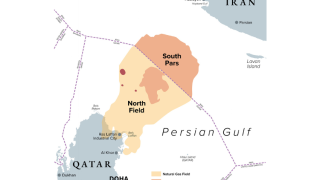
Barzan plant explosion that killed 13 and injured 66 occurred 2 days after production was restarted following a scheduled shutdown in December for routine maintenance.
-
 Whether using internal expertise or outside consultants, projects and initiatives can go awry due to cultural issues and bad management advice. This can have implications for many aspects of a business, including process safety.
 -
Analyzing accidents can demonstrate how much they have in common with everyday operations. Business principles and sound engineering practices can be at odds.
-
Change is constant in the oil and gas industry, bringing an increase in operational risk. As companies acquire and develop assets around the world, they must reduce their risk exposure by improving operational integrity.
-
The authors present a method to reduce uncertainty in EOR performance adaptively while identifying an optimal operational strategy for a given tolerance to risk.
-
A subject field perhaps little known in the oil and gas industry is action science, a strategy for increasing the skills and confidence of individuals in groups to create organizations and to foster long-term individual and group effectiveness.
-
Many business and digital corporations claim that between 100 billion and 200 billion devices could be connected by 2020.
-
Failure to prioritize objectives and improper selection of candidate wells can have significant implications for both derived value and potential risk.
-
Data mining for production optimization in unconventional reservoirs brings together data from multiple sources with varying levels of aggregation, detail, and quality.
-
Nontechnical risks, primarily around HSE or social responsibility, increasingly pose risks to project timelines. To manage these risks, companies are seeking systems that can ensure quality performance in these operational areas.
-
The Fast Drill Process has become a well-known work flow to identify hole-making limiters and mitigate them through redesign to the economic limit of performance.