Risk management

This article from Murphy Oil outlines a modernization effort that resulted in increased scenario simulation capacity by five to 10 times.

Sponsored
This case study by CNOOC and Halliburton highlights how enhanced multizone sand control treats eight unequal zones in one trip and reduces completion time by 60 hours in Bohai Bay, China.

The transition away from materials that contain per- and polyfluoroalkyl substances (PFAS), co-called forever chemicals, creates an opportunity to preserve historical information. Information that appears to have little operational value today may later become important when organizations need to evaluate past PFAS use. Once that information is lost, recreating it may…
-
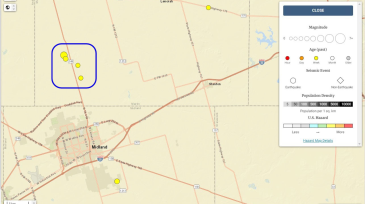
 The Railroad Commission of Texas is inspecting injection wells in the Gardendale Seismic Response Area where a magnitude 5.3 earthquake and multiple aftershocks struck.
-
After Russia started a war in Ukraine, oil prices increased and brought in higher oil export revenues in the short run. Longer term, things are looking rougher.
-
High prices have predictably led to production booms that end in busts. But in this cycle, the focus has shifted from production growth to cash flow growth.
-
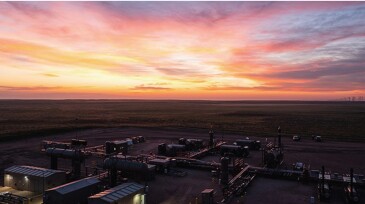
Seven facilities design and public engagement principles are identified as key elements for the future oil and natural gas production facilities for the DJ Basin, and maybe even as a guide for other North American onshore shale basins.
-
Data from Sphera’s latest Safety Report reveals a persistent gap between the intent and reality of process safety management, while environmental, social, and governance concerns are a growing consideration for process-safety management and operational-risk management professionals.
-
Many leaders commit to the aspiration of no harm to people, but they may need help on the substance and actions that will make a difference. The authors share their insights gained from decades of robust experience in safety culture and performance improvement and where it succeeds or fails.
-
SPE has established three new technical sections—the Management Technical Section, the Methane Emissions Management Technical Section, and the Data Science & Engineering Analytics Technical Section.
-
Baker Hughes sees opportunity to capitalize by bundling smaller intervention campaigns.
-
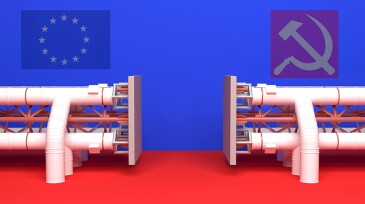
Europe is providing a stark look at the vagaries of geo- and energy politics and how quickly complacency can be shattered. Will its lessons learned be heeded by the rest of the world?
-
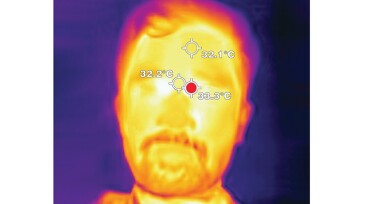
This paper explains how machine learning and physiology can be used to improve rig technical training by monitoring the operator’s stress, leading to targeted training to manage such situations better.