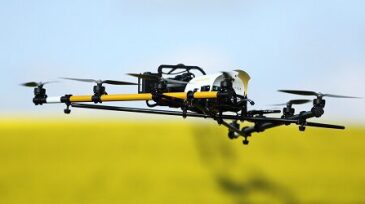
Robotics/unmanned systems

From AI-enabled walking rigs to subsea drones and autonomous inspection robots, robotics is rapidly moving from pilot projects to field deployment. The technology promises not only greater efficiency but also a fundamental shift in how the industry approaches safety and asset management.
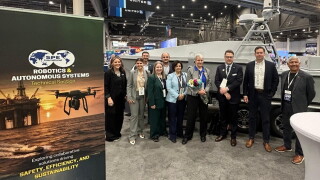
This article from the SPE Robotics and Autonomous Systems Technical Section (RASTS) explores the insights shared at the recent Offshore Technology Conference (OTC) in Houston about autonomous systems and their role in the industry's future.
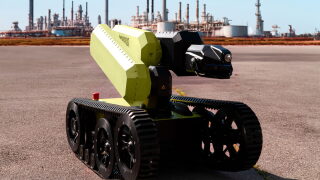
The deployment of a new heavy-duty robotic system aims to reduce workforce exposure to high-risk areas while improving detection of potential leaks.
-
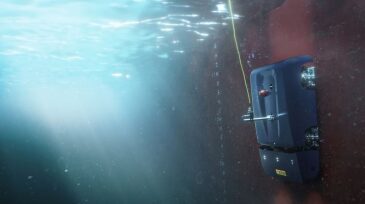
 To provide condition monitoring and combat fouling, the robot clings and moves along the hull walls. It is controlled via a 4G connection to clean and inspect the walls in line with individual vessel schedules developed through a proprietary algorithm and big data.
 -
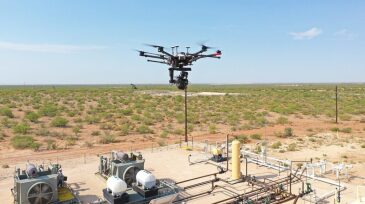
After 2 years of testing, Shell is going all in on using high-flying technology to catch methane leaks to reduce its overall emissions to less than 1%.
-
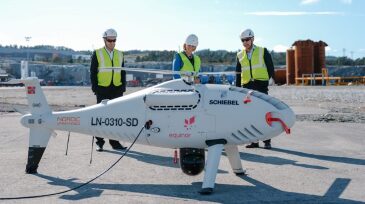
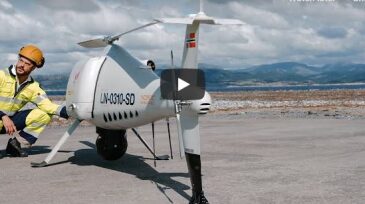
The Norwegian company completed what it describes as the world’s first logistics operation with a drone to an offshore installation.
-
Equinor said drones could reinforce safety, boost production efficiency and contribute to lower CO2 emissions from Norwegian oil and gas
-
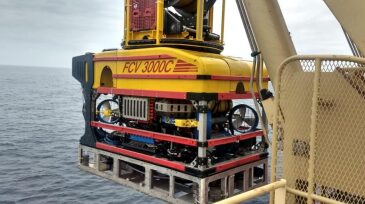
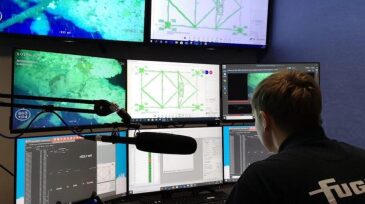
The 3-year contracts were awarded to Solstad, OceanPact, and Fugro.
-
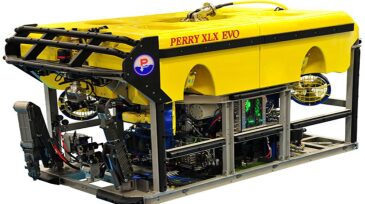
The fully remote inspection was conducted with an ROV to increase worker safety and security and reduce environmental exposure on an offshore platform.
-
Development in software, technology, and a global 4G network combine to make ROV operations possible between offshore vessels and remote locations.
-
The partnership will deliver autonomous robots for safe work in adverse land, sea, and downhole environments.
-
With their gee-whiz—albeit artificial—intelligence, robots may be the industry’s answer to jobs deemed dangerous, dirty, distant, or dull.
-
iHawk, Cyberhawk’s cloud-based asset visualization software, will become Shell’s next-generation visualization software platform for all onshore, offshore, and subsea assets, as well as all global construction projects.