Safety

The SPE Human Factors Technical Section has been officially renamed the SPE Safety Technical Section. The new name better reflects how safety is managed today across interconnected areas like human performance, risk management, and system resilience.

The company said its frequency of serious incidents was down at the end of the year from its levels at the end of 2024.
This paper examines how real-time monitoring can improve both incident prevention and emergency response in the oil and gas industry. Drawing from real-world examples and case studies, it provides practical strategies for implementing this technology effectively.
-
 The question is: Why do workers continue to get injured on the job despite federal standards interjecting?
 -
A new initiative from the Society of Petroleum Engineers has grown from the “Getting to Zero” technical report released in 2018. SPE has teamed with CEDEP to launch the Safety Leadership Academy, a three-phase program designed to address obstacles to achieving zero harm.
-
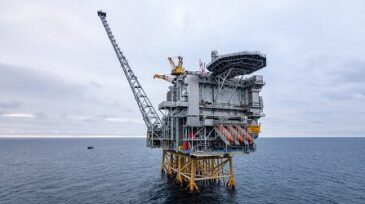
An analysis of existing wells in the Martin Linge field, conducted by Equinor when it took over as operator from Total, revealed that several did not have sufficient barriers, leading the company to plan new wells to ensure safe operation.
-
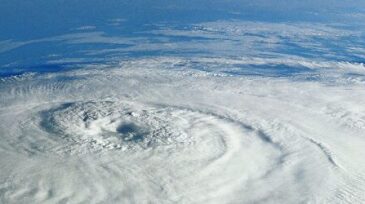
About 16% of US offshore production in the Gulf of Mexico remains offline after Hurricane Laura caused mass evacuations more than a week ago.
-
The oil and gas sector has always been inherently risky. No matter how far mitigating efforts go or by how much technology improves, it is unlikely that risk will be removed entirely anytime soon. That being said, the sector has made huge strides in recent years to better protect those who serve it.
-
Lloyd’s Register has partnered with STC Global to create an artificial intelligence tool expected to provide insight from incident data captured by HSE functions but left untapped.
-
While implemented with the best intentions, most HSE programs bring an element of administrative burden. In 2017, Dyno Nobel examined how to remove or modify programs to be less of a burden without increasing risk. Just like in Jenga, the blocks must be moved without destabilizing the structure.
-
The International Association of Oil and Gas Producers has released three new reports in its series of land transportation recommended practices.
-
There has been an increased number of major accidents at industrial facilities globally as many have come back online post-lockdown.
-
Major oil and gas trade groups expressed confidence in their readiness for a busier-than-usual hurricane season in 2020, even with added logistical considerations stemming from the coronavirus pandemic.