SPE News

SPE Journal is seeking submissions for a special issue on sustainable enhanced oil recovery (EOR), highlighting innovations that boost oil recovery while reducing CO2 emissions and environmental impact. The Call for Papers opens on 15 October 2026.

From scholarships and Distinguished Lecturers to SPE.org and technical resources, the SPE Foundation quietly shaped the member experience for nearly 50 years. This retrospective explores its legacy as its mission continues within SPEI.

The Acid Stimulation Technical Section aims to provide a global home for engineers, scientists, researchers, and practitioners working on acid stimulation in carbonate and sandstone reservoirs.
-
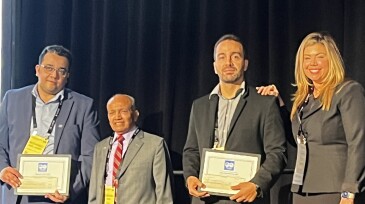
 Three graduate students have received the 2025 SPE Hydraulic Fracturing Technology Conference and Exhibition Outstanding Graduate Student Award.
 -
This section lists with regret SPE members who recently passed away.
-
The “Oil in WW2” study was conducted in preparation for the 2024 SPE Annual Technical Conference and Exhibition in New Orleans. From November 2023 to July 2024, the authors led a small team to complete the study, which is presented on 17 freestanding panels available for display at SPE events and educational institutions.
-
The conference has expanded its award categories to include additional project and individual awards.
-
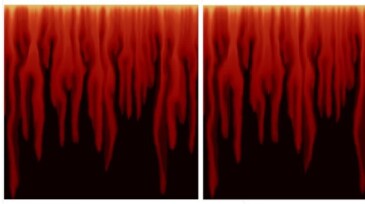
A numerical simulation study based on experimental data of 2D and 3D models is presented to examine immiscible fingering during field-scale polymer-enhanced oil recovery.
-
GEODE is a consortium led by Project InnerSpace and the Society of Petroleum Engineers and funded by the US Department of Energy’s Geothermal Technologies Office.
-
During its 2023–2024 term, the SPE D&I Committee achieved high-quality deliverables with teamwork, collaboration, and integration of different backgrounds, ages, and nationalities.
-
PetroWiki is moving to OnePetro, bringing all SPE resources together in one trusted, easily navigable location.
-
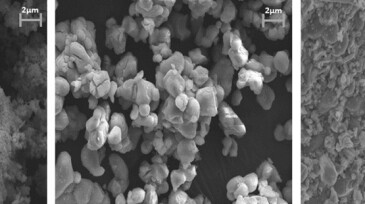
This paper investigates the effect of calcium oxide as an expansive agent on the performance of geopolymer-based sealing materials, with successful application in oil and gas wells at shallow depths.
-
This month’s column offers a review of the perceived quality of SPE's publications and how this perceived quality could affect the value and impact of SPE's generative AI deliverables. Quality can be subjective, so this column focuses on key publication indicators before assessing remedial options in a future column.