Offshore/subsea systems

This paper presents a flexible, highly cost- and energy-efficient method of gas separation and CO₂ capture from many different gas mixtures with a large range of CO₂ concentrations.

This work introduces a novel predictive methodology combining historical metocean data with real-time riser analysis for shallow water dynamically positioned rig operations.

This paper documents the testing, integration, and field deployment of a metal expandable packer used as an openhole toe isolation plug in a deepwater well under high-pressure, high-temperature conditions.
-
 The expanded research and testing capabilities offer the only vertical test rig for subsea safety valves and one of the largest high-pressure natural gas test facilities in the world.
 -
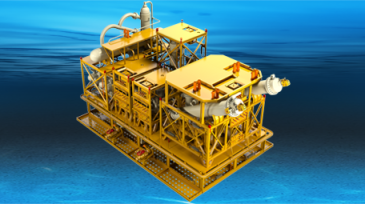
Operators are increasingly using existing offshore infrastructure for asset life extension, and developing new marginal stranded fields rather than develop new large greenfields. Subsea processing is an enabling technology in this goal.
-
Southwest Research Institute is adding a new facility to its capabilities in testing and evaluating subsea equipment and systems.
-
Innovations characterize the deepwater Moho Nord field development, recently brought on stream by Total in the Republic of Congo, and the project creates significant value for the country.
-
Results of the experimental and numerical heat-transfer analysis conducted on a T-shaped acrylic-glass pipe, representing a production header in a subsea production system with a vertical deadleg.
-
A real-time production-surveillance and -optimization system has been developed to integrate available surveillance data with the objective of driving routine production optimization.
-
A new tool enables variable bore rams and shear rams to be tested in one run, cutting rig time significantly.
-
Developing a well-specific subsea-capping contingency plan involves assessing the feasibility of deploying a capping stack from a floating vessel, determining the weight and stability, and performing dynamic-flow simulations of closing the capping stack outlets.
-
Subsea tieback of a new field to an existing offshore production facility is one option to minimize development costs.
-
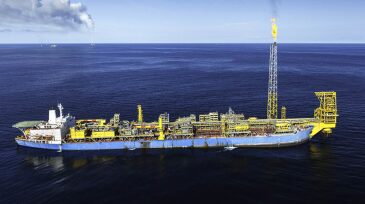
This paper presents the development of Sapinhoá field, covering the fast-track transition and decision-making process, from appraisal to conceptual and basic engineering of the Sapinhoá pilot project and on to its subsequent execution, highlighting the challenges, lessons learned, and results.