Offshore/subsea systems

This paper presents a flexible, highly cost- and energy-efficient method of gas separation and CO₂ capture from many different gas mixtures with a large range of CO₂ concentrations.

This work introduces a novel predictive methodology combining historical metocean data with real-time riser analysis for shallow water dynamically positioned rig operations.

This paper documents the testing, integration, and field deployment of a metal expandable packer used as an openhole toe isolation plug in a deepwater well under high-pressure, high-temperature conditions.
-
 Anyone selling something new for offshore exploration and production has to be able to answer a simple question from customers, “How can we save some money?” For Norwegian oil companies, change is coming in many forms: steel, sensors, software, and standards.
 -
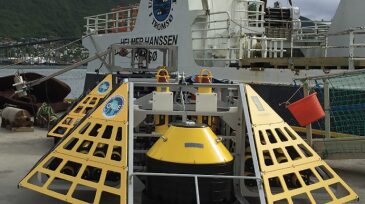
The need to economically invest in offshore exploration and production has inspired a wide range of innovations in Norway to drastically reduce costs, which can lead to changes in offshore operations around the world.
-
The BC-10 asset, located in deep water offshore Brazil, produces heavy oil in the range of 16 to 24 °API. In this article, two examples of production optimization for this field will be provided (further examples are available in the complete paper).
-
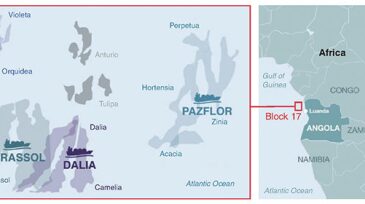
This paper describes the CLOV deepwater megaproject in Block 17 offshore Angola, which cost USD 8.4 billion to first oil.
-
Moving to higher-capacity wellhead systems for high-pressure and high-temperature (HP/HT) environments will require a larger mandrel and conductor-casing size.
-
To help lower costs of offshore projects, DNV GL has launched initiatives focused on the use of composite components.
-
A RPSEA project identified the gaps in technology that are the most pressing for multiphase-flow measurement.
-
Deepwater production has become more reliant on the integrity of subsea, umbilical, riser, and flowline (SURF) systems. A JIP explored cost-effective inspection and maintenance options.
-
Douglas-Westwood (DW) expects the expenditure of subsea vessel operations to begin a gentle upswing after next year.
-
As subsea electric lines age, they are prone to cracks that allow seawater in, reducing their effectiveness, and if the leaks are bad enough, they can shut down operations.