Offshore/subsea systems

The Absheron gas field expansion will supply additional natural gas to Azerbaijan’s domestic market and support its export commitments to Turkey, allowing Baku to stay focused on meeting its gas export obligations to Europe.

This paper presents a flexible, highly cost- and energy-efficient method of gas separation and CO₂ capture from many different gas mixtures with a large range of CO₂ concentrations.

This work introduces a novel predictive methodology combining historical metocean data with real-time riser analysis for shallow water dynamically positioned rig operations.
-
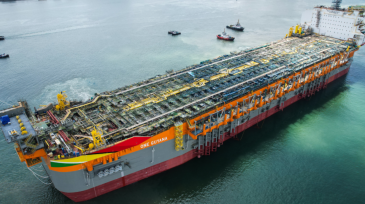
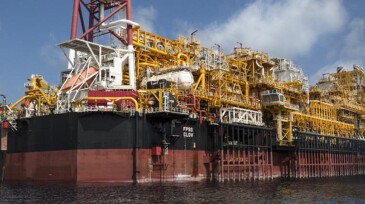
 Deepwater Yellowtail project, onstream 4 months ahead of schedule, is expected to produce an average of 250,000 BOPD.
 -
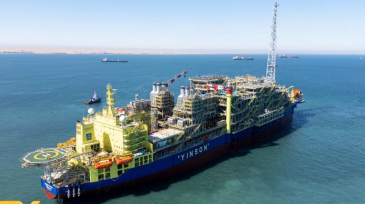
Azule’s new FPSO is the first in the world to feature a pilot carbon capture and storage unit that sequesters CO₂ from onboard gas-turbine exhaust.
-
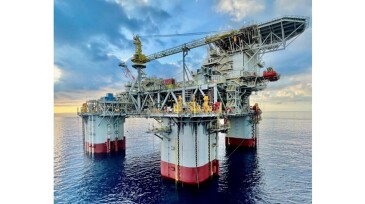
By closely monitoring its subsea boosting system, Shell extended maintenance intervals and safely postponed pump replacement at its ultradeepwater Stones field.
-
BP called the Bumerangue discovery in the Santos Basin the company’s largest find in 25 years, and announced it had begun production from its tieback project at Argos ahead of schedule.
-
This paper reviews best practices and learnings from floating-production-unit transportation and installation, hookup, and commissioning and discusses subsea flowlines, export pipelines, and subsea-equipment installations.
-
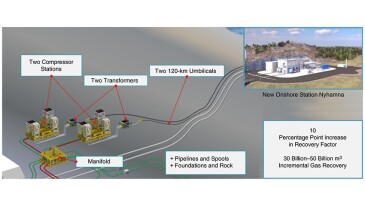
This paper addresses how close collaboration has enabled the development of a robust and cost-efficient solution for the Ormen Lange project by using carefully selected technology elements and an accelerated qualification process to mature them.
-
With the right infrastructure and interoperability, subsea resident robotics could unlock more frequent, cost-effective inspections—and a new standard for offshore efficiency.
-
Emerging solutions could solve current subsea pain points, while a new taxonomy system could clarify the capabilities of the expanding domain of underwater vehicles.
-
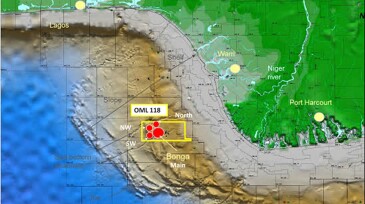
This paper discusses the journey of the Bonga North project, highlighting challenges and resolution strategies in a constantly changing deepwater environment.
-
The Begonia and CLOV Phase 3 subsea tiebacks are each sending production to nearby FPSOs.