Sustainability

This paper explores the application of a modular, high-temperature gas-cooled nuclear reactor to a Very Large Crude Carrier-class floating production, storage, and offloading vessel.

This paper describes the potential of combined-cycle technology (use of a gas turbine and a steam turbine together to turn fuel into electricity) in offshore carbon-capture applications.

This paper uses the structural-integrity-management framework to evaluate the current structural integrity of chosen platforms, highlighting their potential and limitations for carbon capture, use, and storage purposes based on in-service assessments.
-
 The upstream oil and gas industry continues to drive innovation in its quest to solve the monumental challenge of supplying energy to the world in an affordable, secure, and sustainable way.
 -
The large US shale producer has officially entered into the renewable energy sector with its largest venture investment yet.
-
The Gas Growth Integrated Project will capture and supply flare gas to generate electricity and treat seawater to manage pressure in oil wells in Iraq’s Basra region.
-
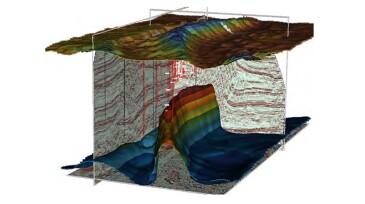
The coupled geomechanical and dynamic flow simulation work flow described in this paper relies on a multidisciplinary approach to meet future peak gas demands and support clean-energy initiatives.
-
The technology and knowledge base of the E&P sector is poised to play a major role in the newer, lower-carbon energy economy.
-
Three leading global financial institutions recently announced updated environmentally linked targets aimed at reducing by 2030 their financed emissions in carbon-intensive sectors, including oil and gas.
-
The second annual progress report showcases how the SDG Roadmap is being implemented by Ipieca and its member companies.
-
The Permian-based company has committed to being part of the United Nations flagship reporting program.
-
The first direct air capture facility will debut a few months late, but that’s not a big concern for its developer.
-
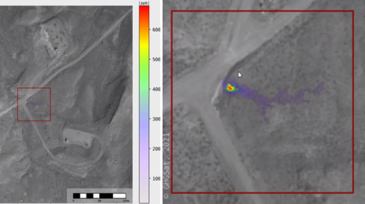
This paper discusses how methane detection from oil and gas infrastructure using remote sensing technologies enables operators to quantify and minimize the emissions while gaining insight and an understanding of their operations through data analytics.