Sustainability

This paper explores the application of a modular, high-temperature gas-cooled nuclear reactor to a Very Large Crude Carrier-class floating production, storage, and offloading vessel.

This paper describes the potential of combined-cycle technology (use of a gas turbine and a steam turbine together to turn fuel into electricity) in offshore carbon-capture applications.

This paper uses the structural-integrity-management framework to evaluate the current structural integrity of chosen platforms, highlighting their potential and limitations for carbon capture, use, and storage purposes based on in-service assessments.
-
 The proposed sale notice consists of more than 300,000 acres in three designated areas offshore Louisiana and Texas.
 -
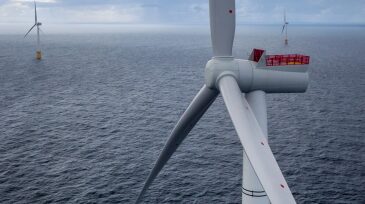
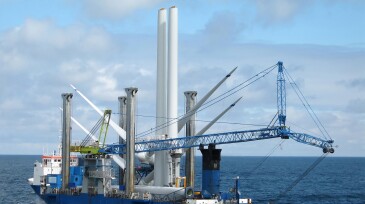
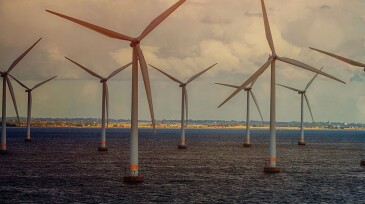
BP’s deal with Norway-based Deep Wind Offshore aims to generate nearly half of the 13 GW of electricity Korea plans to produce from offshore wind by 2030.
-
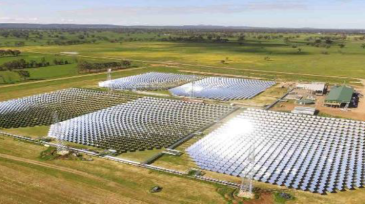
Nabors expanded its push beyond the oil business by acquiring an Australian solar power company selling a round-the-clock power technology.
-
At the center of a rush to build carbon storage is the state of Louisiana, where the number of applications to build long-term storage is equal to half the sites operating globally.
-
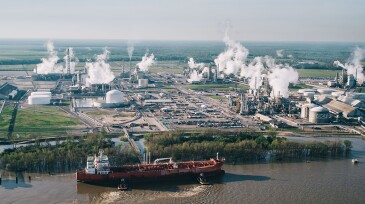
A new 1.0 Bcf/D facility in Baytown, Texas, is expected online no later than 2028.
-
Spending on low-carbon projects will increase by $60 billion this year, 10% higher than 2022, led by wind developments but helped by a significant rise in funding for hydrogen and carbon capture, utilization and storage infrastructure, Rystad Energy research shows.
-
Although 2022 did not match 2021’s record of over 19.5 GW of online capacity, 2022 witnessed the second highest amount of global online capacity with almost 8.5 GW. Final investment decisions (FIDs) were taken on over 11.5 GW of projects, making it the fourth highest year for FIDs.
-
The past year has been a challenging one for companies on the ESG front. Overlapping environmental, social, and political crises—from flooding and wildfires to the first war in Europe in 80 years—have made the jobs of leaders that much harder.
-
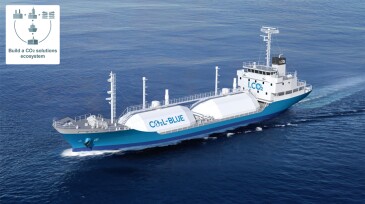
The sites with the most CO2 emissions to capture are often far from the best rock to sequester it, leading to design projects for transport ships.
-
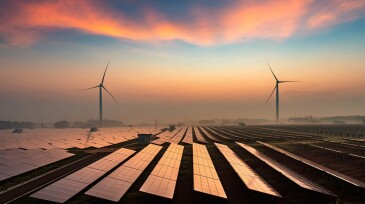
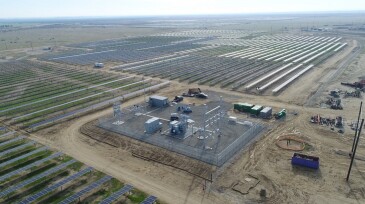
This paper outlines one of the first efforts by a major oil and gas company to build a net exporting, behind-the-meter solar photovoltaic plant to lower the operating costs and carbon intensity of a large, mature oil and gas field.