Unconventional/complex reservoirs

This study investigates the potential for in-situ hydrogen generation from hydrocarbons using in-situ combustion, with particular emphasis on the role of kerogen content and heating mode.

This paper presents the application of degradable particulate-diverter technology to improve oil production by effectively diverting stimulation treatment fluids away from high-water-cut, high-permeability, high-temperature producing intervals or zones.

This paper presents the methodology for developing drill-in organophilic clay-free invert-emulsion-fluid technology that enhances well production through fundamental geological studies and fluid testing.
-
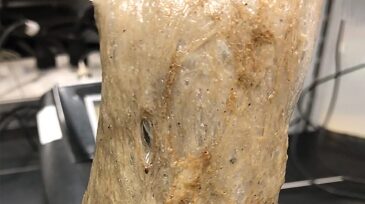
 The source of gummy, damaging polymer gunk that has flowed from Oklahoma oil wells is becoming clear, and one of the lessons learned is that shale plays require petroleum engineers to learn more about chemistry.
-
The Pennsylvania-based producer will leave Louisiana where profiting from tight-gas fields has proven difficult and focus on its legacy assets in the Marcellus Shale.
-
The complete paper presents a solution that assesses tight matrices and natural fractures at a level not previously achieved. At the tight-matrix level, advanced nuclear spectroscopy is carried out with a new pulsed-neutron device that achieves simultaneous time- and energy-domain measurements.
-
Black Mountain executives outlined the key criteria they used to determine why Western Australia was a prime location for private-equity investment when looking at international unconventional plays.
-
URTeC 2020’s opening plenary session panel shared insights into how the shale industry can scale technology, fiscal restraint, and social responsibility into a sustainable business case for a new energy landscape.
-
In the complete paper, the authors revisit fundamental concepts of reservoir simulation in unconventional reservoirs and summarize several examples that form part of an archive of lessons learned.
-
In tectonically influenced regions, potential hydrocarbon traps are subject to complex states of stress. This scenario often translates into severe strike/slip (SS) and thrust-fault or reverse-fault (TF/RF) stress states.
-
Its reward for years of struggling to adapt to low prices and weak demand for its oil and gas has been an epic crash. Canadians selling change say it is time to consider possibilities that seemed inconceivable in the past.
-
Not everybody suffers when US oil producers slash production. Among the beneficiaries could be US gas producers who will benefit because less oil production will mean a lot less gas on the US market.
-
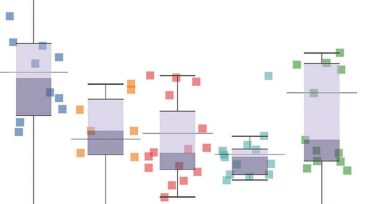
If design A yields the same 90-day production at 10% lower cost in a series of wells than design B wells, is design A the better one? Using pressure-based fracture measurements, the separability of variables between two completion designs can be evaluated.