Unconventional/complex reservoirs

This paper documents the testing, integration, and field deployment of a metal expandable packer used as an openhole toe isolation plug in a deepwater well under high-pressure, high-temperature conditions.

This paper aims to establish a set of best practices for generating particle-size-distribution data from core samples.

This paper discusses the successful execution of two openhole gravel-pack completions in two Gulf of Mexico fields with depleted reservoirs.
-
 A decade ago, SPE defined key R&D and technology challenges for the industry. To address the more uncertain environment of the 2020s and beyond, we have updated the grand challenges via a January 2023 SPE workshop.
 -
The objective of this study was to establish an efficient optimization work flow to improve vertical and areal sweep in a sour-gas injection operation, thereby maximizing recovery under operation constraints.
-
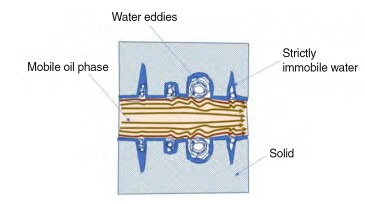
The objective of this paper is to present a fundamentals-based model of three-phase flow consistent with observation that avoids the pitfalls of conventional models such as Stone II or Baker’s three-phase permeability models.
-
CNPC’s record-breaking 11,100-m exploration borehole in the Taklamakan Desert promises to unlock the science of producing oil and gas trapped in the world’s deepest reservoirs.
-
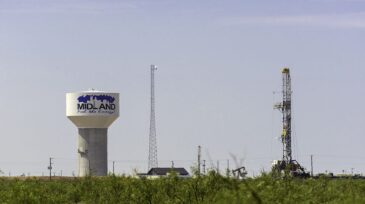
DJ Basin player enters the Permian Basin with a pair of asset purchases from private-equity vehicles.
-
The US-based drilling contractor and well completions company will combine to form the second-biggest service company in North America.
-
A concurrent deal to sell off some of the acquired assets to Northern Oil and Gas will effectively lower the acquisition cost to $1 billion.
-
A Kimmeridge Energy executive said at the Unconventional Resources Technology Conference that he wants to "make unconventional resources investable in a low-carbon world."
-
A slate of new pipeline projects are expected to help relieve the oil-rich region's associated gas bottleneck.
-
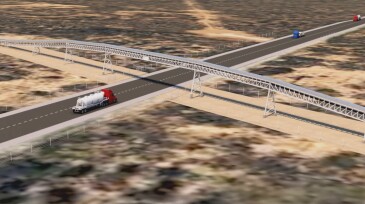
The first long-haul overland conveyor system to deliver proppant is under construction in the Permian Basin.