Unconventional/complex reservoirs

This paper documents the testing, integration, and field deployment of a metal expandable packer used as an openhole toe isolation plug in a deepwater well under high-pressure, high-temperature conditions.

This paper aims to establish a set of best practices for generating particle-size-distribution data from core samples.

This paper discusses the successful execution of two openhole gravel-pack completions in two Gulf of Mexico fields with depleted reservoirs.
-
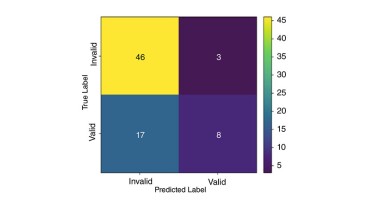
 This paper introduces a machine-learning approach that integrates well-logging data to enhance depth selection, thereby increasing the likelihood of obtaining accurate and valuable formation-pressure results.
 -
This study explores enhancing gas production through a novel combination of prestimulation using a coiled tubing unit and high-rate matrix acidizing.
-
The latest merger and acquisition report from Enverus Intelligence Research shows deal value fell 21% quarter over quarter.
-
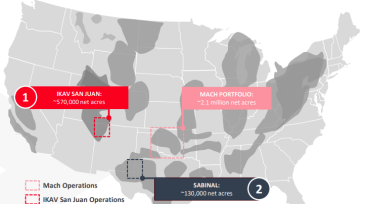
The traditionally Oklahoma-centric producer adds new acreage in west Texas and New Mexico through a pair of purchases.
-
As Africa’s top oil producer, Libya is ramping up momentum—offering 22 exploration areas and welcoming BP back to Tripoli with a major deal.
-
The service giant shares how its new technology can sense rock properties 50 ft ahead of the bit in horizontal wells.
-
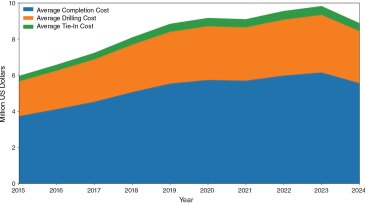
This study aims to thoroughly assess the influence of various completions, fracturing stimulation, and intrinsic reservoir properties affecting the productivity of 10 major unconventional plays while uncovering insights and trends unique to each play.
-
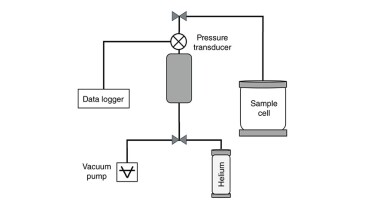
This paper introduces new methods to perform reliable permeability and saturation-dependent relative permeability measurements in organic-rich mudrock core samples using a pressure-decay setup.
-
This paper investigates condensate-banking effects on well performance by conducting field-modeling studies on Delaware Basin deep Wolfcamp condensate producers using compositional simulation models with hydraulic fractures.
-
This month’s selections of unconventional technology articles investigate the factors affecting productivity and performance and highlight the need for effective strategies to enhance performance and mitigate impairment issues.