Testing page for app
-
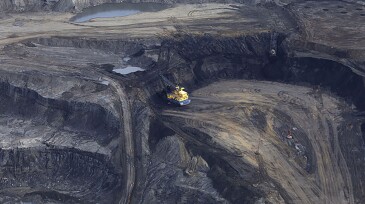
 The physical characteristics of heavy oil and the formations in which it is found are often unique to a region or even to a specific asset, so recovery techniques must be tuned, adapted, and sometimes invented for each region. Creative professionals around the world are taking up this challenge and sharing their work with us in a wealth of excellent recent publication…
 -
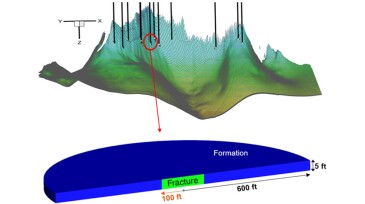
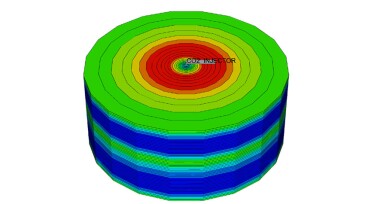
This paper describes a full-field and near-wellbore poromechanics coupling scheme used to model productivity-index degradation against time.
-
This paper develops a deep-learning work flow that can predict the changes in carbon dioxide mineralization over time and space in saline aquifers, offering a more-efficient approach compared with traditional physics-based simulations.
-
This year’s history matching and forecasting selections cover a deep-learning framework to forecast spatial/temporal dynamics of CO2 mineralization in reactive rocks, productivity decline analysis using coupled full-field and near-wellbore poromechanics modeling, and a reservoir graph network model for multiwell forecasting in unconventional reservoirs.
-
Updates about global exploration and production activities and developments.
-
The use of oil-based muds has precluded countless drill cuttings from being used to predict reservoir fluids despite once being part of the reservoir. A 6-decade-old technology may be on the cusp of changing that.
-
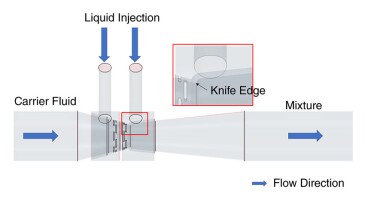
This article focuses on the use of an annular injection mixer in vaporizing heavy hydrocarbon fractions into natural gas streams and the evaluation of evaporation performance by computational fluid dynamics.
-
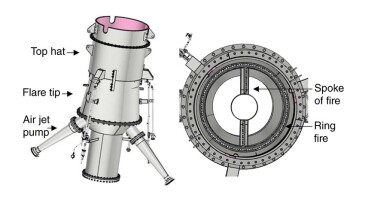
This paper describes development of technology with the capability to combust flare gases with a heating value up to 50% lower than existing flare-tip technology.
-
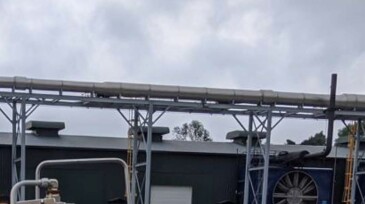
This paper describes a chemical-free process with a small footprint designed to capture exhaust from natural gas drive compressors and supporting gas-fueled production equipment.
-
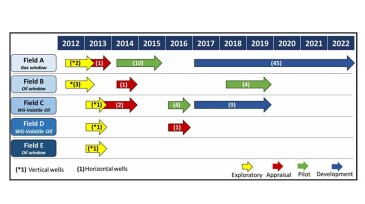
This paper explains how an operator’s projects in the Vaca Muerta have become more-efficient and cost-effective by increasing production and reducing well-delivery-cycle time while fostering the long-term sustainability of the project.