

Latest News
-
 This comprehensive study on microbial control in unconventional facilities allows for the integration of molecular microbiology, chemical treatments, and production engineering to develop specific strategies to control microbial communities and reduce corrosion rates that affect the integrity of the facilities.
 -
This month’s column recaps the top five objectives for the 2025 SPE President and introduces a new discussion on the future of the SPE name.
-
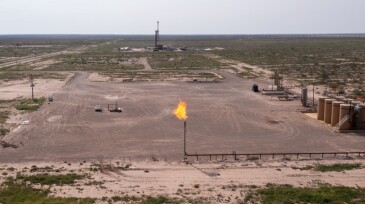
The new report shows that the intensity of methane emissions in the Permian Basin declined by more than half over 2 years.
-
The number of high-impact wells drilled across the globe this year are expected to be on trend with the most recent 5-year average.
-
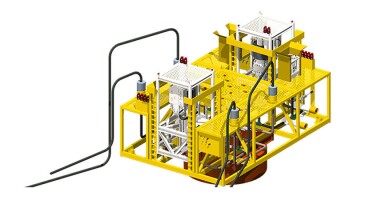
By closely monitoring its subsea boosting system, Shell extended maintenance intervals and safely postponed pump replacement at its ultradeepwater Stones field.
-
With Brazil enacting South America’s first carbon capture and storage (CCS) law, this article examines the technical and regulatory architecture required to scale CCS deployment and provides exclusive insight into Brazil’s accelerating CCS landscape.
-
BP called the Bumerangue discovery in the Santos Basin the company’s largest find in 25 years, and announced it had begun production from its tieback project at Argos ahead of schedule.
-
The Data Science and Engineering Analytics Technical Section has been selected to receive the 2025 Presidential Award for Outstanding Technical Section, and the Hydrogen and Sustainable Development technical sections have been awarded the 2025 Technical Section Excellence Award.
-
As LNG projects sanctioned earlier this decade come onstream, a shortage of new final and pre-final investment decisions threatens to leave the project pipelines dry at a time when global LNG demand is forecast to surge over the next 15 years.
-
This paper describes a risk-based self-verification process conducted through a bespoke software application.
-
With the right infrastructure and interoperability, subsea resident robotics could unlock more frequent, cost-effective inspections—and a new standard for offshore efficiency.
-
This paper discusses and demonstrates the limitations of quantitative risk assessment (QRA) with respect to the usefulness of the concept in managing day-to-day and emerging risks as well as the effect of change.








Explore Content by Discipline
Trending Content


Get JPT articles in your LinkedIn feed and stay current with oil and gas news and technology.