

Latest News
-
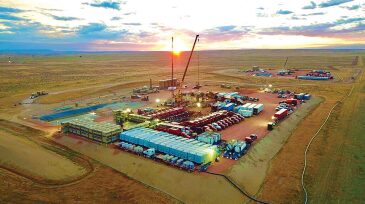
 Operators of unconventional plays face a conundrum—how to dispose of produced water economically without risking seismicity or aquifer contamination. A recent paper and virtual forum offer ideas for optimizing saltwater disposal.
 -
Wellbore tortuosity is a term that has steadily increased in relevance to the oil and gas industry over the past decade, but its importance is especially clear in the current environment.
-
The success of any digital oilfield project is predicated on the quality of the data structure, acquisition, communication, validation, storage, retrieval, and provenance of the data.
-
Groups of wells communicate, interfere, and hit each other. It is an unruly scene that can offer benefits. Three stories look at why competing fracture networks can add to the production from rock that might otherwise be missed.
-
A recent datathon and the team that took home the grand prize help paint a picture of both the industry’s’ digital transformation and how oil and gas engineers are embracing it to navigate uncertain times.
-
Digitalization and automation successes are here to stay. Instead of making small incremental steps in well construction operations, allowing disruptive shifts can lead to tangible performance gains in efficiency, safety, and well integrity.
-
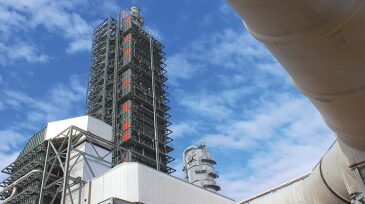
The challenge is immense, but the promise is, too. If the oil and gas business can scale up CO2 EOR, then it can play a very big role in mitigating climate change while offering carbon-negative fuels.
-
Advances during the past decade in using convolutional neural networks for visual recognition of discriminately different objects means that now object recognition can be achieved to a significant extent.
-
Present industry solutions to the challenge of well spacing involve expensive geomechanical Earth modeling or fracture-geometry monitoring that is time-consuming, data-intensive, and geography-specific.
-
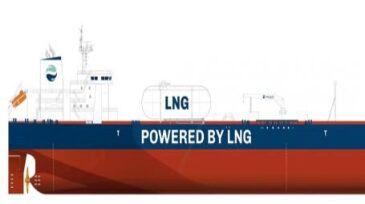
The charter agreement for the LNG-propulsion vessels is in line with Total’s Climate Ambition and will cut down on several emissions.
-
The two largest oil companies in the US are shedding thousands of employees and contractors to cope with a steep decline in demand.
-
The oil and gas industry has picked up on the benefits of digitization and artificial intelligence in its day-to-day activities, and the health, safety, and environment sector is no exception. While AI brings clear benefits, the risks that come with those benefits remain unclear.








Explore Content by Discipline
Trending Content



Get JPT articles in your LinkedIn feed and stay current with oil and gas news and technology.