

Latest News
-
 In this study, artificial-intelligence techniques are used to estimate and predict well status in offshore areas using a combination of surface and subsurface parameters.
 -
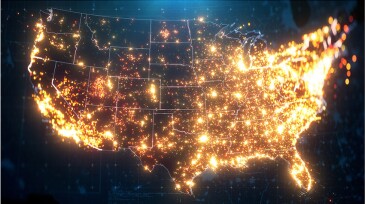
Geothermal energy in the US has historically been concentrated in the West due to favorable geology, but emerging technologies have expanded the possibilities.
-
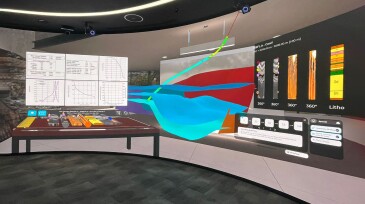
Virtual reality and related visualization technologies are helping reshape how the industry views 3D data, makes decisions, and trains personnel.
-
The authors of this paper describe how deployment of dual-casing cement-bond-logging technology has provided critical insights in real time for decision-making on remedial jobs.
-
This month’s column offers a review of the perceived quality of SPE's publications and how this perceived quality could affect the value and impact of SPE's generative AI deliverables. Quality can be subjective, so this column focuses on key publication indicators before assessing remedial options in a future column.
-
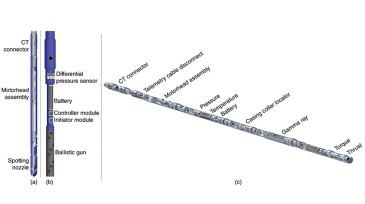
Given the diversity of coiled tubing well-intervention data, many acquisition labels are often missing or inaccurate. The authors of this paper present a multimodal framework that automatically identifies job type and technologies used during an acquisition.
-
Leading drilling consultant John de Wardt separates hype from reality and explores what’s ahead in this interview with JPT.
-
Oil price visibility, projects competing for funds, and regional market softness are all factors resulting in muted demand for deepwater rigs this year.
-
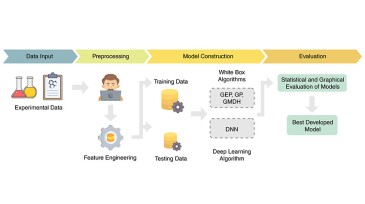
The objective of this study is to develop an explainable data-driven method using five different methods to create a model using a multidimensional data set with more than 700 rows of data for predicting minimum miscibility pressure.
-
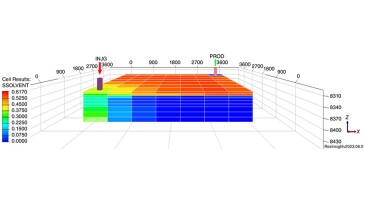
The authors present an open-source framework for the development and evaluation of machine-learning-assisted data-driven models of CO₂ enhanced oil recovery processes to predict oil production and CO₂ retention.
-
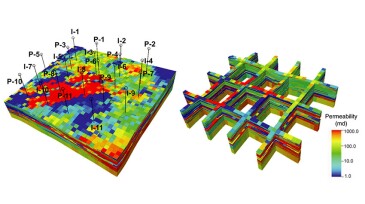
The authors of this paper propose hybrid models, combining machine learning and a physics-based approach, for rapid production forecasting and reservoir-connectivity characterization using routine injection or production and pressure data.
-
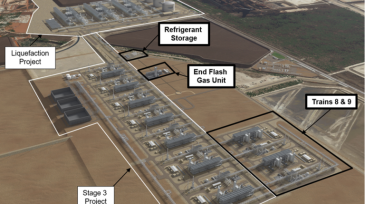
Train 1 of the Corpus Christi LNG Stage 3 project is expected to reach substantial completion during the first quarter of 2025.




Explore Content by Discipline
Trending Content




Get JPT articles in your LinkedIn feed and stay current with oil and gas news and technology.