

Monthly Features
-
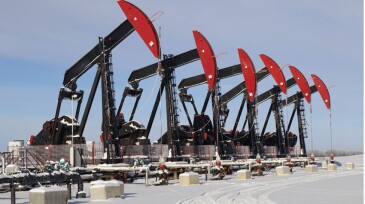
 This case study describes how edge computing and industrial internet of things platforms were deployed to automate and optimize production operations across four distinct basins.
 -
 This case study presents a procedure in which the operator compared production from wells with adjusted wettability to a control group, finding that the adjustments resulted in significant improvements in production and reductions in produced water.
 -
 As equipment advances to handle extreme pressures and temperatures, new Gulf opportunities are emerging—alongside increasing operator demands for standardized, scalable, faster, and more affordable solutions.
 -
 Ultradeepwater prospects along the northern coast of Brazil could help offset decline in legacy basins, though permitting hurdles remain a wild card.
 -
 The US federal government is working to stymie offshore wind power, but proponents aren’t going quietly. Armed with data, they are taking on a sea of misinformation and hostility to defend the burgeoning resource in the US, while the rest of the world moves ahead briskly.
 -
 This case study from SLB and offshore producer PRIO describes the longest openhole section in Latin America with the highest extended-reach drilling ratio in Brazil’s history.
-
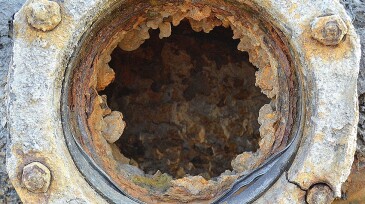
 New strategies for protecting metal infrastructure emerge as operators fine-tune a corrosion threat screening process and develop a new method for tracking inhibitor effectiveness.
 -
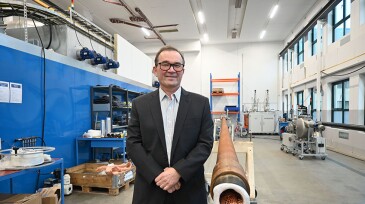
The Norwegian technology developer is working to strengthen the value case for wired pipe through an upcoming offshore campaign with Vår Energi.
-
Field examples from the Bakken Shale and Permian Basin illustrate the benefits of deploying polymer-coated and uncoated scale inhibitors in unconventional wells.
-
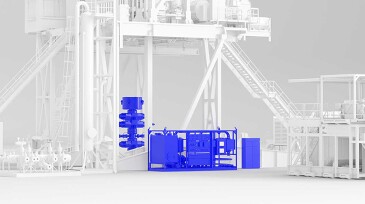
SLB is introducing a new electric well-control system to replace larger conventional, fluid‑controlled hydraulic equipment.
-
Whether it’s reviving inactive gas-condensate wells or identifying overlooked reserves in brownfields, operators are making the most of older wells and fields.
-
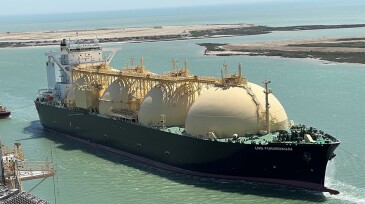
An oversupply of LNG carriers is putting downward pressure on charter rates, pushing them to historic lows. Newbuild LNG carrier deliveries have been outpacing the construction and permitting of new liquefaction facilities needed to support them.
-
After 5 years of in-depth diagnostic research, the Oklahoma City-based operator shares more insights on fracture behavior.
-
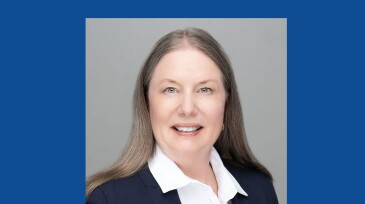
C. Susan Howes is the nominee for 2027 SPE President. She and four others make up the new slate of nominees recommended for positions open on the SPE International Board of Directors.
-
In the next 3 to 5 years, South America and the Middle East will lead global investment, driven by greenfield developments, exploration, and midstream infrastructure. Brazil’s growth is fueled by deepwater pre-salt projects, while the Middle East focuses on gas and LNG, especially in Qatar, Saudi Arabia, and the UAE.
-
Advanced tracer technology was deployed in Oklahoma to analyze production across lateral well sections.



Explore Content by Discipline
Power Up With JPT Newsletters
JPT Newsletter (Weekly).
All the top stories, trends, and tech.
JPT Unconventional Insights (Monthly).
Fresh takes on shale and tight oil.
Get JPT articles in your LinkedIn feed and stay current with oil and gas news and technology.