

Monthly Features
-
 Oil prices are high, but spending has not caught up—yet. Meanwhile, exploration strategies are changing around the world toward a lower-risk model, and the frenzied pace of US M&A has very much cooled off.
 -
 This case study outlines a full-scale testing program focused on the behavior of thermal casing connections subjected to severe bending and low-cycle fatigue loading.
 -
 With millions of wells having been drilled in the US since the beginning of the oil age, the land is pocked with old, unused wellbores. For most, repurposing is a pipe dream. Plugging is the best option.
 -
 Disposal wells remain the lowest-cost solution for produced water, but concerns over seismicity and long-term sustainability are accelerating interest in alternatives.
 -
 As managed pressure drilling gains traction, its principles are influencing a wider range of well-construction activities.
 -
 This case study presents the first field deployment of acoustic fracturing analysis to evaluate perforation efficiency and implement real-time interventions during pressure pumping.
-
 The enrollment trend in petroleum engineering programs continues downward, but a big increase in oil prices has resurrected thoughts of past enrollment booms.
 -
Pandemic gridlock, rerouting risk, and net-zero expectations are squeezing oilfield service companies into change.
-
Carbonate reservoirs require effective acid stimulation to improve well productivity. For long horizontal wells, a complicating factor has previously been the difficulty of controlling acid placement along the reservoir section. The Smart Liner concept uses a number of small holes spaced in such a way so as to distribute the acid evenly along the reservoir interval.
-
The study assessed the CO2 footprint and NO2 emissions for different drill-cuttings treatment alternatives. The values were then used to create an emissions calculator that can be applied to projects to clarify the actual potential for emissions reduction within the drilling-waste-management process.
-
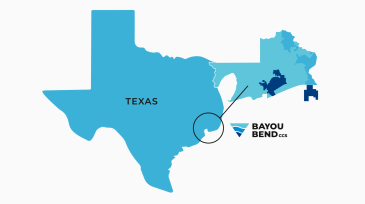
The Gulf of Mexico explorer is building off its offshore learnings to scoop up early carbon capture and sequestrations projects on the US Gulf Coast.
-
When water and metal meet, you get corrosion. You also get a good dose of creative engineering and innovation.
-
It appears to be possible to sense how fractures change during production using ultrasensitive fiber-optic strain measurements.
-
A rigless chemical frac-hit remediation process was designed to address the damage mechanisms of capillary phase trapping, reduced hydrocarbon relative permeability, paraffin deposition, and minor scale deposition.
-
When it comes to produced water from US shale plays, it’s either recycle and reuse or throw it away—and both are easier said than done.
-
A new dose of constraint may just be the best prescription for those making reserves estimates on prospective unconventional resources.



Explore Content by Discipline
Stay Ahead With JPT Newsletters
JPT Newsletter (Weekly).
Essential global industry news, technology developments, and market trends delivered to your inbox.
JPT Unconventional Insights (Monthly).
Global perspectives and expert analysis on shale, tight oil, and emerging unconventional plays.
Get JPT articles in your LinkedIn feed and stay current with oil and gas news and technology.