

Monthly Features
-
 Oil prices are high, but spending has not caught up—yet. Meanwhile, exploration strategies are changing around the world toward a lower-risk model, and the frenzied pace of US M&A has very much cooled off.
 -
 This case study outlines a full-scale testing program focused on the behavior of thermal casing connections subjected to severe bending and low-cycle fatigue loading.
 -
 With millions of wells having been drilled in the US since the beginning of the oil age, the land is pocked with old, unused wellbores. For most, repurposing is a pipe dream. Plugging is the best option.
 -
 Disposal wells remain the lowest-cost solution for produced water, but concerns over seismicity and long-term sustainability are accelerating interest in alternatives.
 -
 As managed pressure drilling gains traction, its principles are influencing a wider range of well-construction activities.
 -
 This case study presents the first field deployment of acoustic fracturing analysis to evaluate perforation efficiency and implement real-time interventions during pressure pumping.
-
 Capitalizing on technology that originated with NASA delivers savings on directional drilling operations.
 -
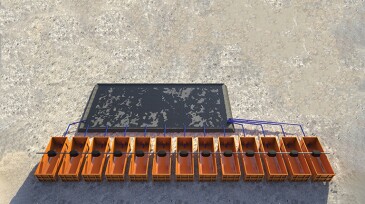
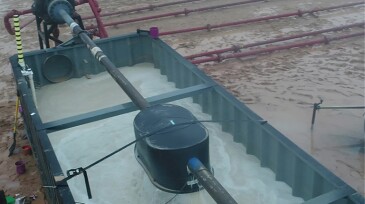
A team of engineers did something no one had done before: a full-scale fracturing test on the surface. The results surprised the fracturing experts involved.
-
The Offshore Technology Conference (OTC) has named the 2022 recipients of the Spotlight on New Technology Award. A total of 14 companies, including seven small businesses, were recognized this year for their breakthrough hardware and software technologies.
-
The message from a single chart’s data from the first full-scale hydraulic fracturing surface test is simple: Far less proppant flows out of the first clusters passed in a stage than the last ones.
-
A system that could help turn stranded-gas fields into producing projects has moved closer to reality, aided by the growing focus on reductions in carbon emissions.
-
As the number of discoveries goes down and headwinds increase, the days of the US Gulf of Mexico megaproject could be numbered.
-
New research from Hess offers compelling evidence that two layers of tight rock can be treated as one and how passive wells can become oil producers.
-
Is it possible to predict future petroleum engineering graduation rates based on past trends? The answer is no. But this discussion by experts in both analysis and academia shows those trends can offer some interesting insights.
-
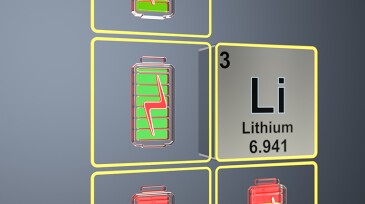
Skyrocketing demand for the commodity has created a lithium deficit that could slow the pace of the energy transition. Industry is scrambling to find new sources by opening new mines or devising new technologies to extract lithium from brines, including brines found in produced water from oil and gas operations.
-
Stunningly ambitious plans to create global carbon capture and storage that rivals the scale of today’s oil and gas production will require a host of technical skills to determine if it is even possible.



Explore Content by Discipline
Stay Ahead With JPT Newsletters
JPT Newsletter (Weekly).
Essential global industry news, technology developments, and market trends delivered to your inbox.
JPT Unconventional Insights (Monthly).
Global perspectives and expert analysis on shale, tight oil, and emerging unconventional plays.
Get JPT articles in your LinkedIn feed and stay current with oil and gas news and technology.