

Monthly Features
-
 Oil prices are high, but spending has not caught up—yet. Meanwhile, exploration strategies are changing around the world toward a lower-risk model, and the frenzied pace of US M&A has very much cooled off.
 -
 This case study outlines a full-scale testing program focused on the behavior of thermal casing connections subjected to severe bending and low-cycle fatigue loading.
 -
 With millions of wells having been drilled in the US since the beginning of the oil age, the land is pocked with old, unused wellbores. For most, repurposing is a pipe dream. Plugging is the best option.
 -
 Disposal wells remain the lowest-cost solution for produced water, but concerns over seismicity and long-term sustainability are accelerating interest in alternatives.
 -
 This case study from Malaysia’s Petronas outlines a comprehensive review of perforation-charge testing across various tubular and reservoir conditions to help improve production from complex downhole scenarios.
 -
 As managed pressure drilling gains traction, its principles are influencing a wider range of well-construction activities.
-
 A look at how policy, future workforce perception, and industry standards will shape energy companies in the near and distant future.
 -
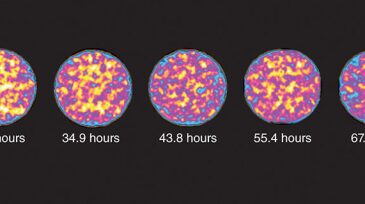
Early field tests suggest chemical treatments may be able to significantly increase production from unconventional formations.
-
Fracturing reservoirs effectively can be like boxing. Moving in close enough to land a powerful punch often means a fighter has to take some hits. To effectively develop all the productive rock in a lease, new wells are drilled as close as possible to older ones, making frac hits inevitable.
-
After a drop in drilling activity in recent years, the Haynesville shale has become a hot area for natural gas production in the US, and companies are looking to bolster their positions in the area.
-
The effect of frac hits on production economics is becoming more important as a result of the high-speed drilling in the US shale sector. Recent research reveals the financial and recovery risks involved if well spacing results in well-to-well interference.
-
When fracturing slowed last year in the Marcellus, companies holding produced water they did not need for fracturing paid other operators to take it. It provided a cheap source of fracturing water then, and in the future, water trading could reduce the high cost of shipping water.
-
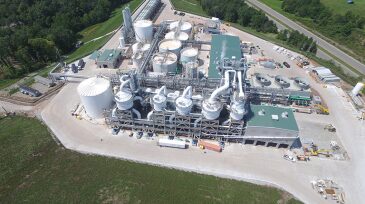
Antero Resources has built a huge plant to turn waste water into fresh water and salt for sale. The $275-million investment in West Virginia is the most tangible indication of how operators in the Marcellus are pushing water reuse.
-
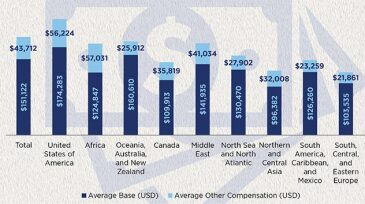
Petroleum salaries are showing increases again after 2 years of decline.
-
Winners of the 2017 SPE International Awards are announced. Recipients will be recognized during the Annual Reception and Banquet at the SPE ATCE in San Antonio.
-
One tech company is using a unique approach to building custom apps for the oil and gas business.





Explore Content by Discipline
Stay Ahead With JPT Newsletters
JPT Newsletter (Weekly).
Essential global industry news, technology developments, and market trends delivered to your inbox.
JPT Unconventional Insights (Monthly).
Global perspectives and expert analysis on shale, tight oil, and emerging unconventional plays.
Get JPT articles in your LinkedIn feed and stay current with oil and gas news and technology.