

frac hits
-
 Operators are turning to new gas-lift and nanoparticle-fluid technologies to drive up production rates.
 -
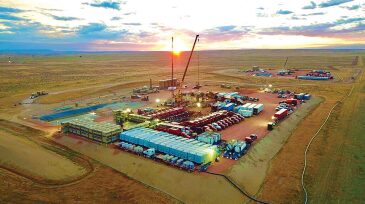
This case study outlines a methodology to optimize and control hydraulic fracturing parameters by achieving 100% cluster efficiency and overcoming formation leak-off.
-
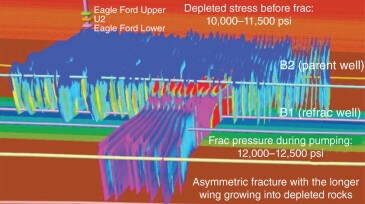
This paper focuses on characterization of fracture hits in the Eagle Ford, methods to predict their effects on production, and mitigation techniques.
-
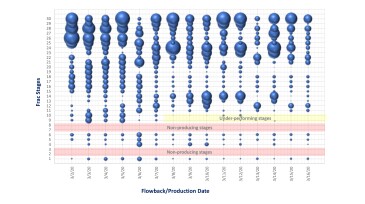
SponsoredThe data that comes with mapping flow behavior at the stage level of unconventional wells was once accessible only through the installation of costly and intrusive diagnostic methodologies like fiber optic or running production logging. New-generation FloTrac ultrahigh-resolution nanoparticle tracer technology with subatomic spectroscopic measurement techniques now de…
-
New studies are a reminder that the effort to identify, classify, and nullify frac hits remains paramount to the future of the unconventionals business.
-
North Dakota's EERC argues that the suboptimal frac jobs of yesterday explain why fracture interactions boost production in the tight-oil play.
-
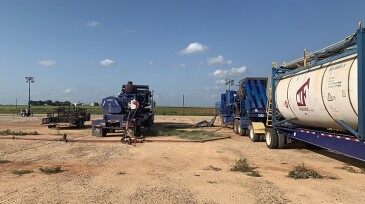
A rigless chemical frac-hit remediation process was designed to address the damage mechanisms of capillary phase trapping, reduced hydrocarbon relative permeability, paraffin deposition, and minor scale deposition.
-
Insights from an ongoing industry study on North American shale wells help explain what frac hits, or fracture-driven interactions, are doing between offset wells, and why.
-
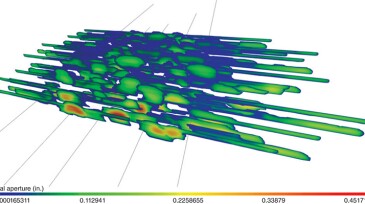
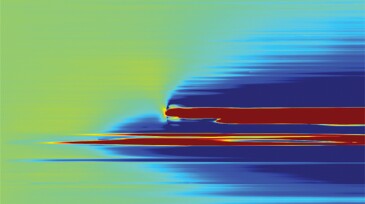
This study in a shale-oil formation quantified the hydraulic fracture propagation process and described the fracture geometry by developing a geomechanical forward model and a Green’s function-based inversion model for low-frequency distributed acoustic sensing data interpretation, substantially enhancing the value of the LF-DAS data in the process.
-
Groups of wells communicate, interfere, and hit each other. It is an unruly scene that can offer benefits. Three stories look at why competing fracture networks can add to the production from rock that might otherwise be missed.


Page 1 of 4