modeling
-
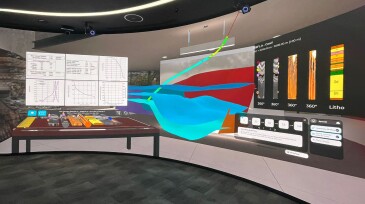
 Virtual reality and related visualization technologies are helping reshape how the industry views 3D data, makes decisions, and trains personnel.
-
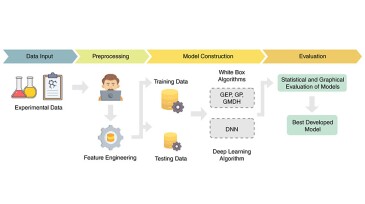
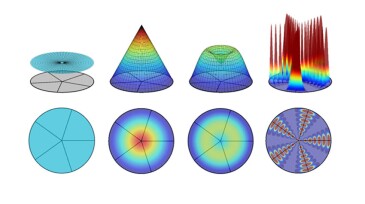
The objective of this study is to develop an explainable data-driven method using five different methods to create a model using a multidimensional data set with more than 700 rows of data for predicting minimum miscibility pressure.
-
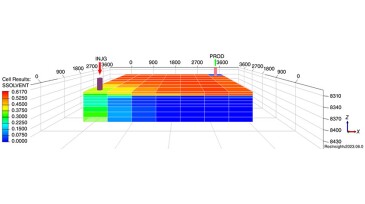
The authors present an open-source framework for the development and evaluation of machine-learning-assisted data-driven models of CO₂ enhanced oil recovery processes to predict oil production and CO₂ retention.
-
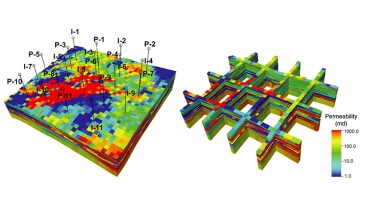
The authors of this paper propose hybrid models, combining machine learning and a physics-based approach, for rapid production forecasting and reservoir-connectivity characterization using routine injection or production and pressure data.
-
This paper analyzes the interaction of high-frequency torsional oscillations (HFTO) with lateral vibrations based on a model that accounts for the superimposed movement of whirl and HFTO at the bit.
-
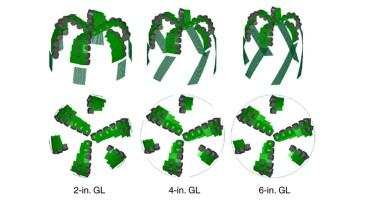
This paper describes a collaborative project to analyze affected wells, identify commonalities, and optimize bit design and drilling parameters to mitigate the effects of borehole spiraling.
-
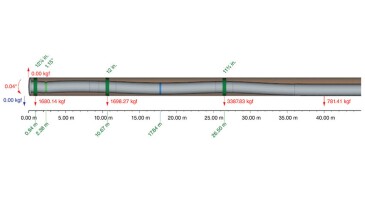
In this paper, bottomhole-assembly lateral behavior is analyzed using different types of computations, including static, dynamic, frequency-based, and time-based.
-
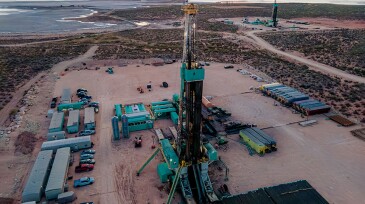
At SPE’s Permian Basin Energy Conference, operators shared behind-the-scenes details on innovations such as drilling horseshoe wells and trimulfrac completions along with in-basin challenges such as handling produced water.
-
This paper presents a specialized workflow that aims to quantify the severity of condensate banking and subsequently optimize reservoir development strategies for a deep formation in the Permian Basin.
-
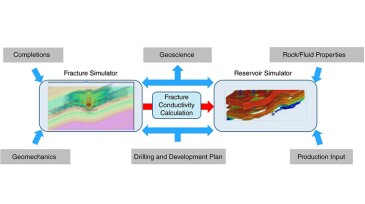
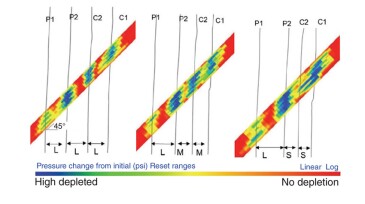
This paper describes numerical modeling studies of fracture-driven interactions using a coupled hydraulic-fracturing-propagation, reservoir-flow, and geomechanics tool.