

plugging and abandonment
-
 At the inaugural SPE/ICoTA Asia Pacific Well Intervention and P&A Conference and Exhibition in Kuala Lumpur, industry leaders highlighted how high-fidelity well data, real-time diagnostics, and predictive technologies are reshaping intervention planning and execution to improve well performance, reduce risk, and optimize late-life asset management.
 -
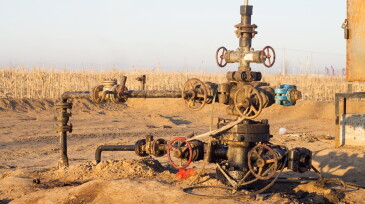
With millions of wells having been drilled in the US since the beginning of the oil age, the land is pocked with old, unused wellbores. For most, repurposing is a pipe dream. Plugging is the best option.
-
The National Academies of Sciences, Engineering, and Medicine recommend continued state and federal funding, data-sharing, and new technologies to mitigate the risks posed by orphan wells.
-
The new guidelines were released prior to reports that enhanced geothermal developer Fervo Energy experienced a blowout in Utah with no reported injuries.
-
This paper describes the evolution of the operator’s initial PWC (perforate, wash, and cement) abandonment projects performed in deepwater Brazil.
-
While some idle wells may be brought back into production, many will be plugged and abandoned. This paper considers repurposing certain idle oil and gas wells by using their empty steel casing for the disposal of nuclear waste.
-
Equinor cites confined gas behind casing and calibration issues in investigation of Troll field well control incident.
-
Despite a 2.8% drop in liquefied natural gas exports in 2025 because of lost market share in China, Australia anticipates a 2026 rebound as new North West Shelf capacity comes online. Meanwhile, East Coast operators brace for a tsunami of wells entering the decommissioning pipeline and potential energy shortfalls necessitating LNG imports.
-
This study illustrates the new capabilities, tailored for carbon-dioxide storage applications, of a modeling framework that provides a quantitative, risk-based assessment of the long-term integrity of legacy plugged and abandoned wells.
-
The North Sea Transition Authority has published its first table identifying 13 operators that are behind schedule in decommissioning their inactive North Sea wells.







Page 1 of 9