water reuse/recycling
-
 This paper presents case studies of how produced-water salinity data was used to transform the performance of two oil-producing fields in Nigeria.
 -
The produced water conundrum in the Permian Basin will be solved by a mix of recycling, disposal, and future breakthroughs in technology currently being studied.
-
This case history explores a multiwell sectional development in the Delaware Basin by a small operator who reduced drilling and completion costs, along with lease operating expenses, by turning undesirable produced water into an asset.
-
While it is one of the top producers of liquid hydrocarbons in the US, New Mexico is also among the driest. The issue has culminated in a restriction on new freshwater leases issued by the state and a push for more recycling of produced water.
-
The complete paper focuses on sources of produced water from conventional and unconventional onshore oil and gas operations and addresses the challenges and opportunities associated with reusing the produced water.
-
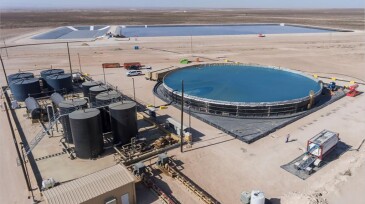
The Eddy State Complex adds 300,000 B/D of recycled produced-water treatment capacity in the northern Delaware Basin. The company said it is on track to recycle 25 million bbl of produced water this year.
-
The room for error and cost overruns just got a lot smaller with the escalating need to make operations more efficient and leaner with fewer resources and investors continuing to prioritize ESG alongside profitability.
-
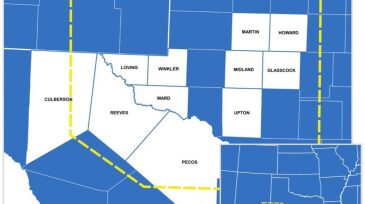
Layne Water Midstream has amended its agreement with the Texas General Land Office to gain exclusive right for reuse and disposal of produced water in the Delaware Basin.
-
The projects are intended to accelerate the development and commercialization of treatment technologies to reduce waste water that is being injected into disposal wells and increase water supplies for reuse.
-
As Permian production ramps up and saltwater disposal well capacity is pushed to its limit, companies see a need to develop collaborative, commercially viable methods of handling produced-water volumes. If reuse remains at its current rate of only 15%, operators could face a $30-billion tab.