Data & Analytics

Switching from continuous circulation to cyclic huff-‘n’-puff operation in enhanced geothermal systems can significantly delay thermal breakthrough, sustain higher production temperatures, and improve long-term economic performance.

The two companies say they plan to work together to use agentic AI to increase the capabilities of technical experts.

This article is the first in a Q&A series from the SPE Methane Emissions Management Technical Section (MEMTS) on methane intelligence and how oil and gas teams translate emissions data into credible decisions and measurable reductions.
-
 SPE Data Science and Engineering Analytics Technical Director Silviu Livescu and SPE Reservoir Technical Director Rodolfo Camacho address some of the challenges in the application of data analytics, artificial intelligence, and machine learning to several reservoir engineering problems.
 -
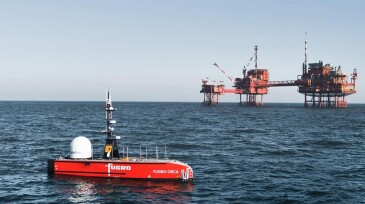
The company used an uncrewed surface vessel and an electric remotely operated vehicle to conduct a survey for TAQA in the North Sea.
-
The use of artificial intelligence in the clean energy sector increases the availability and accessibility of clean energy, making it a more viable and cost-effective alternative to traditional energy sources.
-
This paper introduces a measurement system that is agile for transport and can be installed anywhere with a small footprint while delivering reasonably accurate results.
-
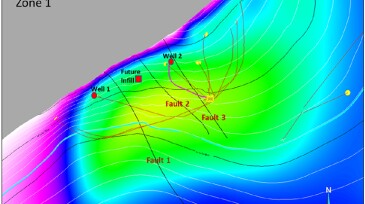
This paper describes how a surveillance, analysis, and optimization plan was used to resolve subsurface uncertainties and optimize a reservoir development plan and provides lessons learned and best practices.
-
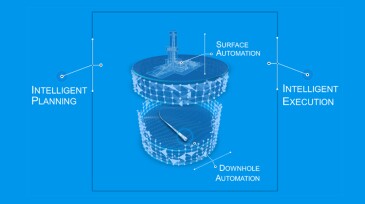
The authors of this paper present an autonomous directional-drilling framework built on intelligent planning and execution capabilities and supported by surface and downhole automation technologies.
-
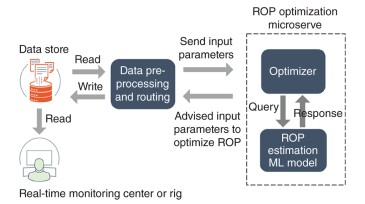
The authors of this paper discuss a global rate-of-penetration machine-learning model with the potential to eliminate learning curves and reduce time and costs associated with developing a new model for every field.
-
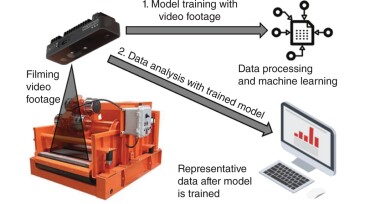
The authors of this paper describe a project that demonstrated the feasibility of using deep-learning and machine-learning approaches to introduce camera-based solids monitoring to the drilling industry.
-
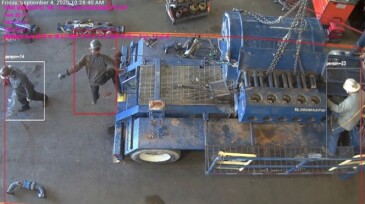
Vision analytics is being used to extract insight information from video, with data inferred from existing cameras used to create a monitoring dashboard where supervisors can receive alerts at the worksite level or drill down to specific events.
-
The oil and gas industry uses a variety of complex systems and technologies that are becoming increasingly vulnerable to cyberattacks. Now, through the Cyber Resilience Pledge, more than 20 global CEOs have committed to work together to improve cyber resilience across the ecosystem.