Decommissioning
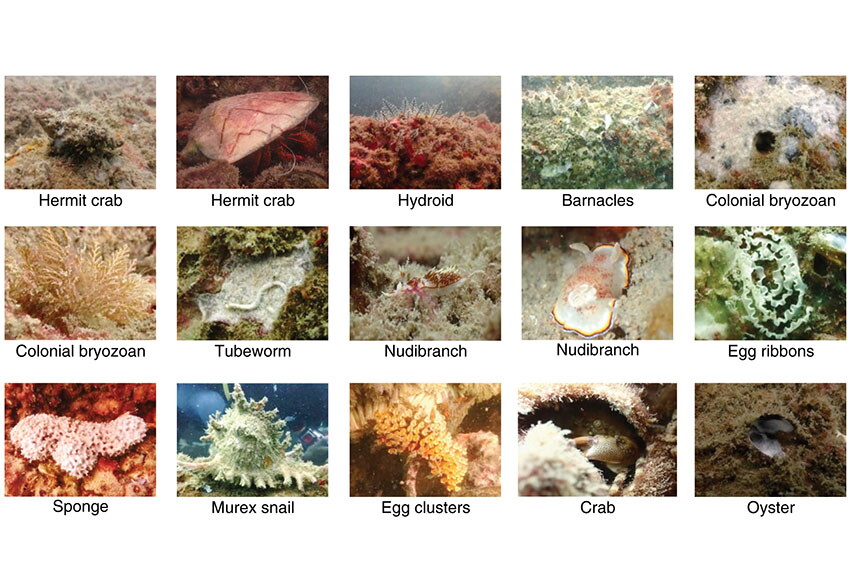
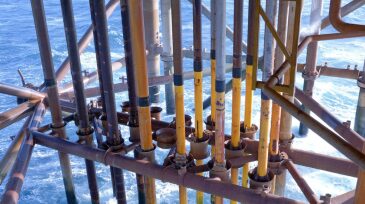
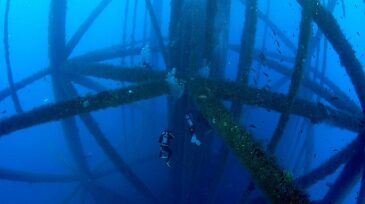
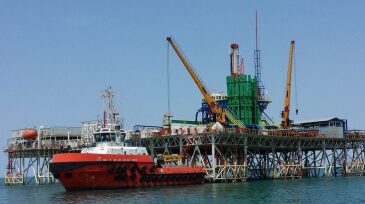
This paper reviews a proof-of-concept project in which surplus casing pipes were used in the fabrication of purposefully designed artificial reef structures for the enhancement of biodiversity and commercial fisheries.

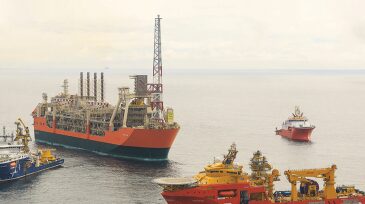
ABL’s Australia unit will provide marine warranty survey services to support the first phase of Esso’s decommissioning campaign, which aims to recycle 95% of the 60,000 tons of offshore structures targeted for removal.

Despite a 2.8% drop in liquefied natural gas exports in 2025 because of lost market share in China, Australia anticipates a 2026 rebound as new North West Shelf capacity comes online. Meanwhile, East Coast operators brace for a tsunami of wells entering the decommissioning pipeline and potential energy shortfalls necessitating LNG imports.
-
 An influx of new investment and operational efficiencies borne out of the oil price downturn have led to a drop in projected decommissioning costs. Decommissioning multiple wells in one campaign helped some operators achieve time savings of 33% per well.
 -
A new survey of international experts has seen a swing of opinion away from mandatory removal of obsolete offshore infrastructure, reflecting an acknowledgment that offshore structures often develop into artificial reefs and form a part of the ecosystem around them.
-
A recent spike in production has engendered a cautiously optimistic outlook for the UKCS, but will it do anything to stave off the overall decline of the mature basin?
-
When a new horizontal well in Asia was incapable of unassisted flow, coiled tubing (CT) was selected for the perforation and stimulation intervention. Mechanical isolation was required to ensure that the stimulation fluids entered only the new zones.
-
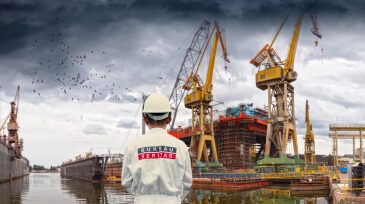
Bureau Veritas made available its guide to decommissioning regulations in the UK Continental Shelf.
-
Bureau Veritas made available its guide to decommissioning regulations in the UK continental shelf.
-
Global spending on oil and gas decommissioning is expected to be $13 billion per year by 2040. The launch of a collaborative supply chain approach to global decommissioning offers an end-to-end solution to reduce the decommissioning burden, risk, and cost for operators in Europe, Asia, and Americas.
-
The joint venture will include work on P&A, towage of floating units, and removal of subsea infrastructure, with the ultimate goal of providing the full end-to-end process for decommissioning.
-
Many operators are taking a full-life-cycle approach to preparing for decommissioning—a shift borne of necessity amid cost and regulatory constraints.
-
With no money to be made, P&A is one area where operators can put aside their hyper-competitiveness to work together. Members of the recently formed PACE network discussed the virtues of collaboration at the Decommissioning and Abandonment Summit 2018.