Digital Oil Field

The paper presents the design and successful field deployment of the first closed-loop hydraulic fracturing program.

The authors describe a study on key technologies for intelligent risk monitoring of workover operations.

The authors write that by replacing outdated, labor-intensive processes with an integrated, cloud-based platform, companies can streamline planning, improve accuracy, and foster better coordination across teams and vendors.
-
 In addition to the well-recognized elements of digital transformation such as real-time monitoring, remote intelligence, and extraction of insights from data, there is a need to evolve the industry hardware through application of enhanced edge computing.
 -
A recent panel discussion highlighted the industry’s progress in achieving significant digital advances. Barriers remain, however, and the measurement of success is being defined in this evolving technological step change.
-
SponsoredWhile more operators than ever are digitizing their operations, they also need to consider the advantages of selecting a scheduling software. This White Paper illustrates the benefits of selecting AI-powered scheduling software that properly addresses the total needs of a drilling program.
-
This paper presents the basic concepts and architecture of the Eni Reservoir Electromagnetic Mapping borehole electromagnetic mapping system that integrates borehole EM methodology with surface EM methods to provide real-time mapping of reservoir-fluid distribution during production or injection.
-
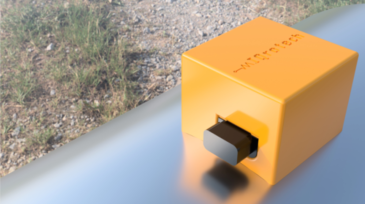
A volatile market, and a shift to more remote operations during the global pandemic has been a catalyst for demand for mIQroTech’s leak-detection technology
-
The E&P subsurface sector today faces the lowest reserve replacement ratios in decades as well as an increasing need to maximize recoverable oil and gas from developed fields.
-
An intelligent drilling optimization application performs as an adaptive autodriller. In the Marcellus Shale, ROP improved 61% and 39% and drilling performance, measured as hours on bottom, improved 25%.
-
Logging-while-drilling remote operations has hit a wall. Since the outbreak of COVID-19, there is an increased demand for personnel with multidisciplinary skill sets to work on offshore rigs. But the demand cannot be satiated.
-
The 5-year effort will take advantage of Microsoft technologies in machine learning, augmented reality, user interactions, and the industrial Internet of things to deliver integrated solutions to the upstream industry.
-
A test showing that it’s possible to automate the billing process for produced water hauling has opened the door for tracking a wide range of field activities. The industry downturn brought on by COVID-19 has motivated big companies to test practical applications sooner.