Drilling

A shared digital mindset across subsurface, subsea, and drilling and wells is accelerating well planning at Vår Energi.

This paper discusses the successful execution of two openhole gravel-pack completions in two Gulf of Mexico fields with depleted reservoirs.

This edition highlights three offshore technology papers that address a common industry theme: how targeted engineering solutions can reduce uncertainty, shorten operations, and make technically constrained offshore well activities more executable.
-
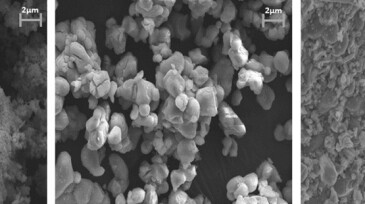
 This paper investigates the effect of calcium oxide as an expansive agent on the performance of geopolymer-based sealing materials, with successful application in oil and gas wells at shallow depths.
 -
Operator TotalEnergies and rig owner Vantage Drilling form joint venture to purchase the Tungsten Explorer.
-
The decision invokes a 1953 law that will make it difficult for incoming US President Donald Trump to reverse.
-
Leading drilling consultant John de Wardt separates hype from reality and explores what’s ahead in this interview with JPT.
-
Oil price visibility, projects competing for funds, and regional market softness are all factors resulting in muted demand for deepwater rigs this year.
-
The objective of this paper is to outline the importance of new standards for studying hydraulic sealability of barrier materials, with an emphasis on interface analysis.
-
The authors of this paper describe how deployment of dual-casing cement-bond-logging technology has provided critical insights in real time for decision-making on remedial jobs.
-
Advancements in new technologies and rigorous testing methods have enabled the authors of the three SPE papers featured this year to outline a path forward, offering new possibilities that uphold the core objectives of safety and productivity.
-
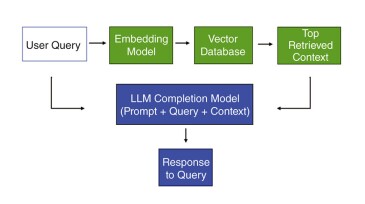
This paper tests several commercial large language models for information-retrieval tasks for drilling data using zero-shot, in-context learning.
-
Partners will go back to the drawing board to design a new well to reach the prospect’s primary objectives.