HSE & Sustainability
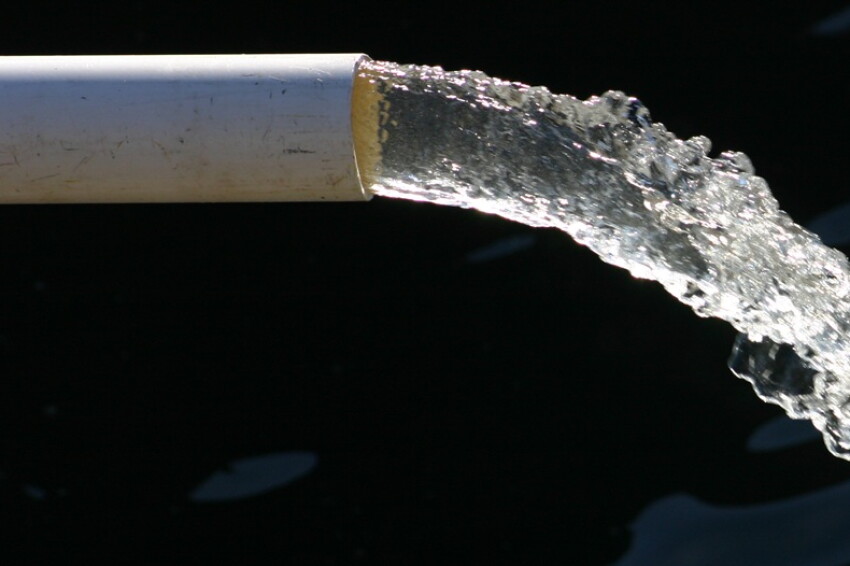
This paper presents an approach to the identification, selection, and implementation of initiatives for sustainable water management, withdrawal reduction, and water valorization.

This paper explores the application of a modular, high-temperature gas-cooled nuclear reactor to a Very Large Crude Carrier-class floating production, storage, and offloading vessel.

This paper describes the potential of combined-cycle technology (use of a gas turbine and a steam turbine together to turn fuel into electricity) in offshore carbon-capture applications.
-
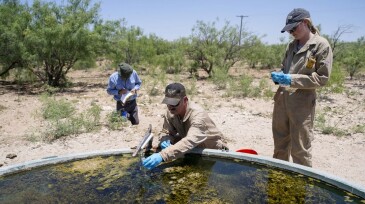
 Ranchers and regulators are contending with uncontrolled leaks from thousands of abandoned oil and gas sites that could render some land “functionally uninhabitable.”
 -
The Environmental Protection Agency has underestimated methane emissions caused by oil and gas production by as much as 76%, according to research published in the Journal of Geophysical Research: Atmospheres.
-
Alumina Energy, Ionada, Parasanti, and SurgePower Materials will join the industrial scaling program at Halliburton Labs in Houston.
-
While Schlumberger, Halliburton, and Baker Hughes focus their legacy technology and service portfolios on driving up efficiency, driving down cost, and making current sources of energy less carbon intensive, they diverge on their approaches to scaling up development and deployment of breakthrough clean energy technologies.
-
Natural gas is produced from the ground now, but maybe not forever.
-
The introduction of artificial intelligence (AI) cameras on marine vessels is planned to embrace a smarter automated analytic response and reporting culture, which, in turn, is expected to lead to increased safety oversight of critical offshore operations in areas that have been determined to have a lack of physical safety coverage.
-
The newly released document outlines the main types of tests available and examines approaches to isolation and quarantine for suspected and confirmed cases of COVID-19 in oil and gas industry workplaces.
-
The authors write that the road to decarbonization will involve several technologies working in concert, not the use of only one at the expense of others.
-
The author shows that renewable energies are best used in replacing fossil fuels in the power sector, where it has the most effect in reducing CO2 emissions.
-
A 2-year study of a formation used for saltwater disposal in the Bakken may hold promise of decreasing the pressurization of the formation and increasing the reuse of the briny produced water.