HSE & Sustainability
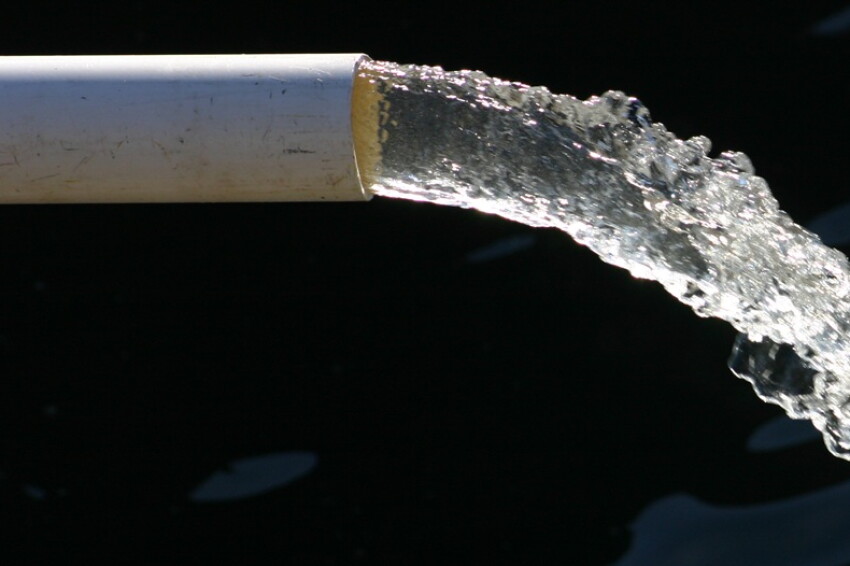
This paper presents an approach to the identification, selection, and implementation of initiatives for sustainable water management, withdrawal reduction, and water valorization.

This paper presents an experiment investigating dissolution of basaltic primary minerals and conditions favorable for secondary phase formation under deep subsurface storage conditions.

This study aims to investigate the efficacy of chemical additives strontium chloride and barium hydroxide in accelerating CO₂ trapping mechanisms, their effect on dissolution of carbonate-bearing minerals, and resulting poroelastic changes in the host rock.
-
 The SPE Reservoir Technical Discipline and Advisory Committee invite their Reservoir members worldwide to participate in a new survey aimed at assessing the current state of reservoir engineering across industry and academia. Deadline is 21 July 2025.
 -
Technical safety standards are essential as global offshore exploration heats up.
-
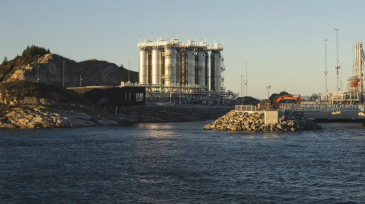
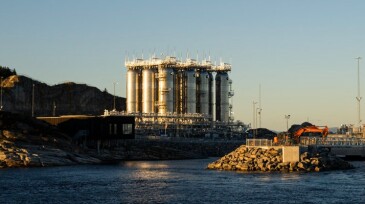
The contractor will deliver a similar carbon dioxide injection system to the one it completed for phase one in 2023.
-
The Carbon Capture, Utilization, and Storage (CCUS) Technical Section is proud to announce the launch of its new eMentoring Program forward-thinking initiative designed to connect young professionals with seasoned experts across the CCUS industry. This virtual mentorship effort aims to fast-track knowledge transfer, foster professional development, and build a stronge…
-
Fawaz Bitar, BP's senior vice president for HSE and carbon, spoke at a recent health, safety, and environment conference in Aberdeen about the importance of health in the industry. Here is a transcript of his speech.
-
The Norwegian Ministry of Energy has approved the Phase 2 expansion, which is expected to increase carbon dioxide storage capacity from 1.5 million tonnes to 5 million tonnes.
-
The journey to safety excellence is not paved with quick fixes but with deliberate, data-informed strategies.
-
DNV’s carbon capture and storage outlook forecasts a massive shortfall in the projects necessary to help the world reach net-zero emissions by 2050.
-
Nigeria’s Petroleum Industry Act 2021, a Pathway for Economic Prosperity and Sustainable DevelopmentThis paper presents a comprehensive review of the updated regulatory structures, general administration, and functions of regulators to provide a clear focus for industry stakeholders.
-
Buoy-based camera footage, analyzed by artificial intelligence, can help reduce the risk of birds colliding with offshore wind farm turbines.