

Human resources

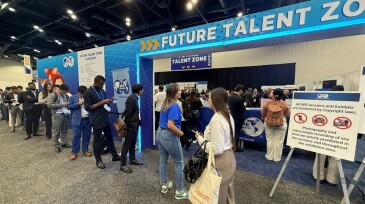
The Career Advancement Network held its Energy Professionals Hiring Event at SPE’s 2026 Offshore Technology Conference, allowing participants to connect with employers, explore opportunities, and seek information about job opportunities in a rapidly evolving industry.

The chair of the SPE Georgetown Section outlines how balanced, apolitical dialogue can support development amid rapid energy expansion.

Major increases in hydrocarbon production require both incremental and revolutionary technologies, industry leaders said during the SPE Hydraulic Fracturing Technology Conference.
-
 The Career Advancement Network held its 16th semiannual Energy Professionals Hiring Event at SPE’s 2025 Annual Technical Conference and Exhibition, allowing participants to connect with employers, explore opportunities, and seek information about job opportunities in a rapidly evolving industry.
 -
This paper explores the evolving role of the digital petroleum engineer, examines the core technologies they use, assesses the challenges they face, and projects future industry trends.
-
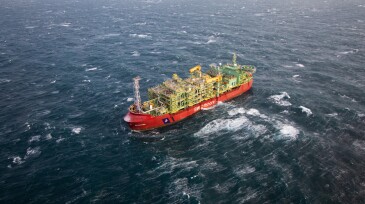
The decision keeps the effective tax rate on upstream projects at 78%, prompting new warnings that investments will continue to dwindle in the UK Continental Shelf.
-
Launched by the SPE Integrated Reservoir Management Technical Section, this initiative provides young professionals with opportunities to apply next-generation skills, build confidence, and develop leadership capabilities, preparing them to guide the industry forward.
-
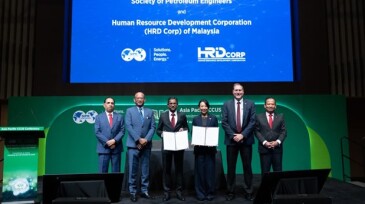
The Human Resource Development Corporation and Society of Petroleum Engineers Asia Pacific signed a memorandum of understanding to support the development of a future-ready energy workforce and strengthen Malaysia’s position as a regional hub for technical expertise and innovation.
-
The 2025 Global Energy Talent Index survey found most energy professionals got a pay bump last year, but hiring managers face new challenges.
-
TWA Energy Influencers Nihal Darraj, Sayanima Kisku, Ismaila Ibrahim, Olawale Ajayi, and Gabrijel Grubac reflect on the significance of the TWA Energy Influencer award and how it has helped their professional journey. The deadline for 2025 nominations is 1 July 2025.
-
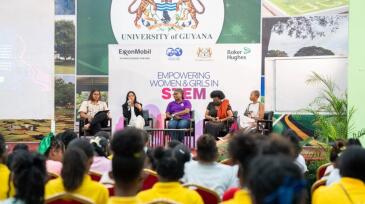
Amia Morgan, SPE, highlights this event designed to bring together students, young professionals, and seasoned industry experts to foster mentorship, inspire the next generation of STEM leaders, and promote inclusivity.
-
TechnipFMC diver Stuart Cowie shares his 17-year experience working as a saturation diver in the oil and gas industry and how to manage mental health and well-being during the often-isolating work demands.
-
Mentorship programs equip women with the tools to excel and help close the gender gap in leadership.






Page 1 of 23