Onshore/Offshore Facilities

This paper presents a flexible, highly cost- and energy-efficient method of gas separation and CO₂ capture from many different gas mixtures with a large range of CO₂ concentrations.

This work introduces a novel predictive methodology combining historical metocean data with real-time riser analysis for shallow water dynamically positioned rig operations.

This paper documents the testing, integration, and field deployment of a metal expandable packer used as an openhole toe isolation plug in a deepwater well under high-pressure, high-temperature conditions.
-
 Australia must insist on full removal when ExxonMobil decommissions the offshore project, the Wilderness Society has said.
 -
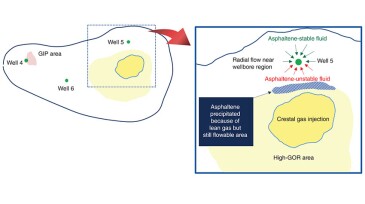
This paper reports the observation of stealth asphaltenes, a potential flow-assurance issue, by means of experimental analysis.
-
This year’s Flow Assurance Technology Focus provides a trio of papers concerning the use of advanced techniques in detection, mitigation, and risk calculation
-
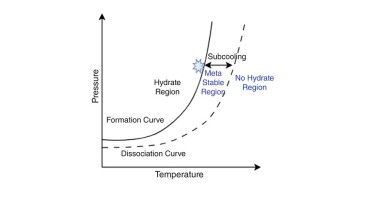
This study investigates hydrate formation in a water-alternating-gas injection well under water-to-gas and gas-to-water changeover operations.
-
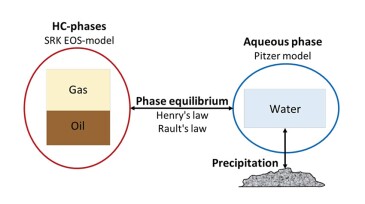
This paper describes the suite of cloud-based digital twin tools that the operator has developed and is integrating into its operations, providing online, real-time calculation of scale risk and deployed barrier health to manage risk on a well-by-well basis.
-
The birthplace of Royal Dutch Shell, Indonesia and Malaysia, buck trends and grow their gas and oil industries, expecting a record number of final investment decisions in the next 4 years in gas, deep water, and carbon capture projects to support Southeast Asia’s booming economic growth.
-
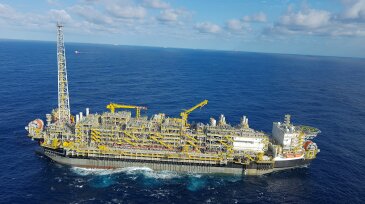
FPSO to be connected to high-pressure subsea separation technology pilot project.
-
Machine learning and a decade of gas composition records helped the operator identify wells that were most likely to produce paraffins.
-
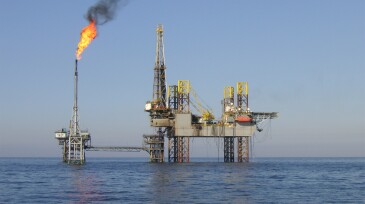
The increase in flaring emissions was led by operations in the Middle East, Africa, and Russia.
-
Petrobras said the unit serving the pre-salt field is designed to reduce up to 24% of emissions.