Onshore/Offshore Facilities

The 2026 Upstream Scale Guidelines establish a common workflow for field measurements, scale modeling, and risk assessment to support more consistent operational decisions.

Shell has reached FID on LNG Canada Phase 2, a major expansion that will double the Kitimat facility’s LNG export capacity to 28 mtpa and strengthen long-term supply to growing Asian markets.

The long-term outlook analysis says a potential shift toward new construction could push 2026 production 3% above 2025 levels.
-
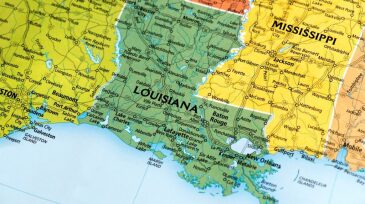
 The Cameron LNG project completed its final train this month, but other LNG projects such as Calcasieu Pass LNG, Driftwood LNG, and Lake Charles LNG face difficulties during the economic downturn.
 -
A volatile market, and a shift to more remote operations during the global pandemic has been a catalyst for demand for mIQroTech’s leak-detection technology
-
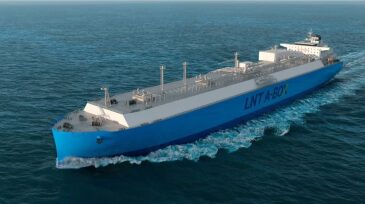
The LNG A-Box containment system is designed for LNG carriers to serve smaller terminals, where larger ships are not feasible.
-
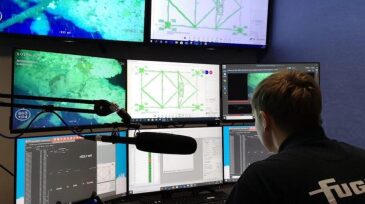
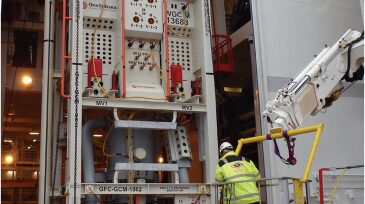
The fully remote inspection was conducted with an ROV to increase worker safety and security and reduce environmental exposure on an offshore platform.
-
IOGP JIP33 plans to publish more than 30 specifications by the end of the year.
-
The paper describes options for hydrate and integrity management and the required modifications to both subsea and topside facilities to enable an operational philosophy change.
-
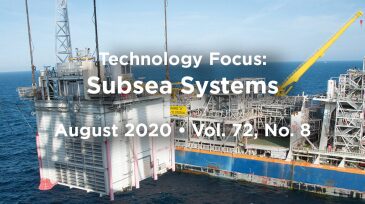
In 2015, the world’s first subsea multiphase gas compression system was installed offshore Norway. The system comprises two-off 5-MW machines configurable for serial or parallel compression. This system has now gained considerable and valuable operational experience.
-
Both operational experience and studies of future offshore gas-field developments are showing that subsea gas-compression systems not only reduce investment costs but also increase recovery significantly.
-
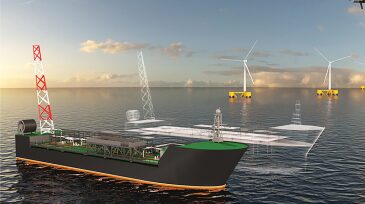
While it remains today only an idea, there are but a few barriers keeping an unmanned floater from being realized, according to one of the world’s leading offshore engineering firms.
-
Often it is too difficult to create the fault conditions necessary for training a predictive maintenance algorithm on the actual machine. A digital twin generates simulated failure data, which can then be used to design a fault-detection algorithm.