Onshore/Offshore Facilities

This work introduces a novel predictive methodology combining historical metocean data with real-time riser analysis for shallow water dynamically positioned rig operations.

This paper documents the testing, integration, and field deployment of a metal expandable packer used as an openhole toe isolation plug in a deepwater well under high-pressure, high-temperature conditions.

This paper presents an approach for safe, efficient, and cost-effective legacy well reabandonment.
-
 IOGP JIP33 plans to publish more than 30 specifications by the end of the year.
 -
The paper describes options for hydrate and integrity management and the required modifications to both subsea and topside facilities to enable an operational philosophy change.
-
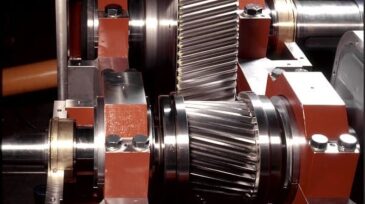
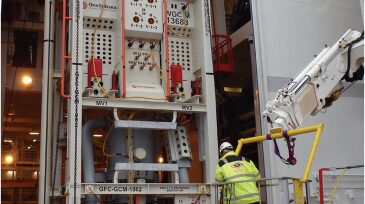
In 2015, the world’s first subsea multiphase gas compression system was installed offshore Norway. The system comprises two-off 5-MW machines configurable for serial or parallel compression. This system has now gained considerable and valuable operational experience.
-
Both operational experience and studies of future offshore gas-field developments are showing that subsea gas-compression systems not only reduce investment costs but also increase recovery significantly.
-
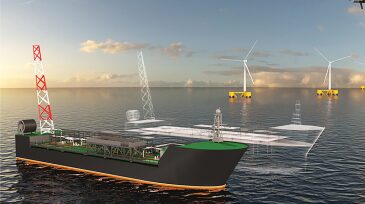
While it remains today only an idea, there are but a few barriers keeping an unmanned floater from being realized, according to one of the world’s leading offshore engineering firms.
-
Often it is too difficult to create the fault conditions necessary for training a predictive maintenance algorithm on the actual machine. A digital twin generates simulated failure data, which can then be used to design a fault-detection algorithm.
-
A multizone water-injection project has ultimately proved a method of using intelligent completion interval-control valves in place of traditional sand-control completions in soft sand reservoirs.
-
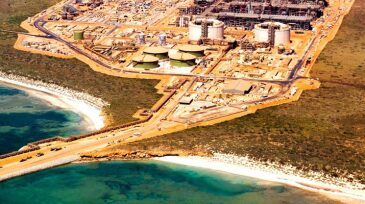
Repair work on the Gorgon LNG plant’s propane heat exchangers is underway. Planned maintenance on the Gorgon Train 2 was expected to end in July.
-
Production of paraffinic crude presents challenges due to depressurization and cooling of crude oil during production.
-
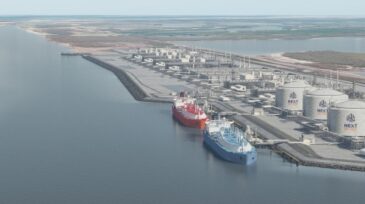
The original technology selected in 2015 and 2016 for Rio Grande LNG has since evolved. With five trains instead of six, Rio Grande LNG will still produce 27 mtpa.