Production

The 2026 Upstream Scale Guidelines establish a common workflow for field measurements, scale modeling, and risk assessment to support more consistent operational decisions.

The long-term outlook analysis says a potential shift toward new construction could push 2026 production 3% above 2025 levels.

Lower operating expenditures and a changing asset mix helped UKCS operators cut average production costs by 9% year over year, despite relatively flat production levels, according to the NSTA.
-
 A collaboration between a large independent and a technology developer used low-cost interventions to optimize production from unconventional wells.
 -
With inventories swelling and China’s stockpiling nearing its limit, global oil prices may be running out of room to hide.
-
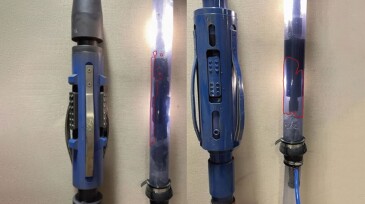
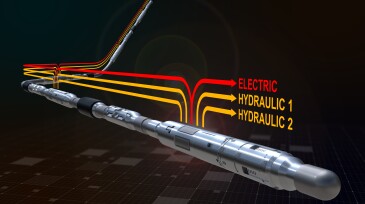
SponsoredSince 1997, intelligent completions have transformed reservoir management, but adoption remains limited due to perceived complexity. The industry reached a pivotal moment with the development of next-generation technologies that address longstanding challenges and offer simpler operation solutions.
-
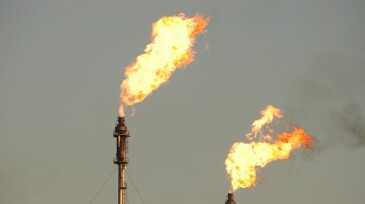
Satellite data show nearly 45,000 methane plumes worldwide in the first quarter, triple the number from a year earlier.
-
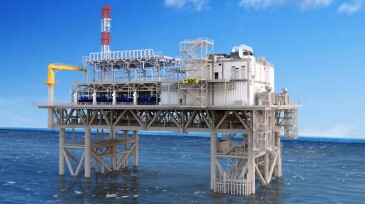
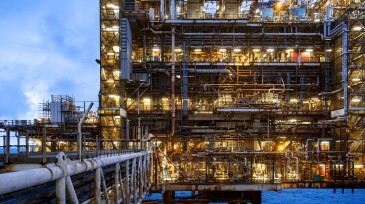
BP’s new electric gas compression platform at Shah Deniz, Azerbaijan’s largest natural gas producer, is expected to sustain exports to Europe even as the field enters decline.
-
ExxonMobil joins BP, Chevron, and TotalEnergies in greenlighting new investment projects in Iraq in 2025 as the government targets oil production of 6 million B/D by 2029.
-
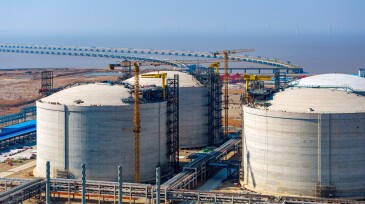
Liquefied natural gas (LNG) exporters in the US plan to more than double the country’s liquefaction capacity by adding an estimated 13.9 Bcf/D between 2025 and 2029.
-
EIA says rising inventories in China have offset downward pressure from growing global supply.
-
Two new wells add 15,000 BOE/D of peak capacity to the London-based supermajor's North Sea production profile.
-
The experience captured in this paper illustrates the potential of deepwater riserless wireline subsea intervention capability and the fact that it can be expanded beyond hydraulic-only, simple mechanical, and plugging-and-abandonment scopes.