Production

The 2026 Upstream Scale Guidelines establish a common workflow for field measurements, scale modeling, and risk assessment to support more consistent operational decisions.

The long-term outlook analysis says a potential shift toward new construction could push 2026 production 3% above 2025 levels.

Lower operating expenditures and a changing asset mix helped UKCS operators cut average production costs by 9% year over year, despite relatively flat production levels, according to the NSTA.
-
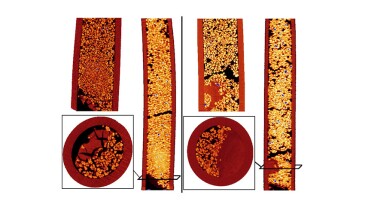
 This study contributes to enhancing the understanding of scale-inhibitor retention in rock formations.
 -
This paper details the formulation and characterization of a novel nanoparticle system composed of polyethyleneimine and dextran sulfate for direct lithium extraction from bulk oilfield brines in North America.
-
Intelligent completions could improve many of the world’s oil and gas wells, but not all are suited to the technology. There is another option.
-
Updates about global exploration and production activities and developments.
-
Shale’s slowdown leaves room for OPEC+ gains as tensions rise between the US and India over Russian oil imports.
-
This comprehensive study on microbial control in unconventional facilities allows for the integration of molecular microbiology, chemical treatments, and production engineering to develop specific strategies to control microbial communities and reduce corrosion rates that affect the integrity of the facilities.
-
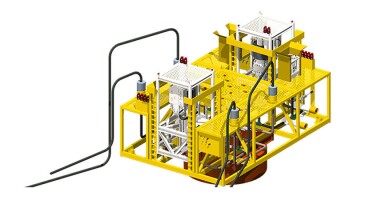
By closely monitoring its subsea boosting system, Shell extended maintenance intervals and safely postponed pump replacement at its ultradeepwater Stones field.
-
BP called the Bumerangue discovery in the Santos Basin the company’s largest find in 25 years, and announced it had begun production from its tieback project at Argos ahead of schedule.
-
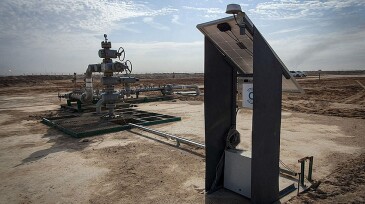
The use of real-time wireless downhole pressure gauges proved a valuable alternative to workover operations in two onshore fields in Iraq.
-
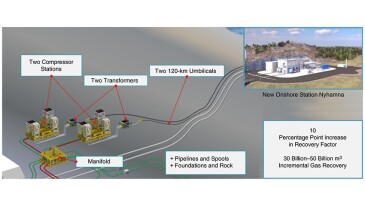
This paper addresses how close collaboration has enabled the development of a robust and cost-efficient solution for the Ormen Lange project by using carefully selected technology elements and an accelerated qualification process to mature them.

![JPT_2025-09_GuestEd1_SS_382853197[4].jpg](https://assets.spe.org/dims4/default/860913d/2147483647/strip/true/crop/850x475+0+46/resize/365x204!/quality/90/?url=http%3A%2F%2Fspe-brightspot.s3.us-east-2.amazonaws.com%2F8a%2F95%2Fe4e82cb54fd597d497a5b1267f8a%2Fjpt-2025-09-guested1-ss-3828531974.jpg)