Production

Trafigura will purchase 100,000 metric tons of battery-grade lithium products under a decade-long take-or-pay contract valued at over $2 billion.

The 2026 Upstream Scale Guidelines establish a common workflow for field measurements, scale modeling, and risk assessment to support more consistent operational decisions.

The long-term outlook analysis says a potential shift toward new construction could push 2026 production 3% above 2025 levels.
-
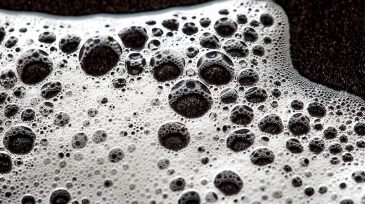
 A relatively small concentration of a defoamer can have a significant impact on the dynamics of multiphase flow within a pipe, but the effect is generally temporary.
 -
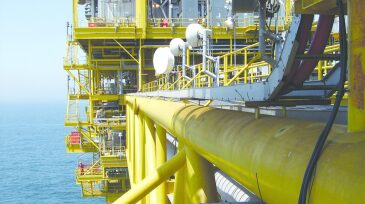
As producers push logistical and technological limits to operate in deeper water and more remote locations, maintaining and repairing offshore structures can present a number of challenges unique to these environments. One of the costliest is corrosion.
-
Offshore oil and gas fields exist along the continental shelf of every continent—even Antarctica.
-
There are considerable benefits to conducting rigless subsea well intervention from specialized monohull vessels.
-
Fiber-optic-system installations have reduced the need for intervention by logging tools and have given crucial insights into wellbore integrity and reservoir production.
-
The rapid growth of progressing cavity pumps is an example of how new uses continue to emerge for older technology.
-
As the world's supply of crude becomes heavier, many of the world’s oil producers will have to think more carefully about heavy crudes and the challenges they pose for processing, storage, and transportation.
-
This paper is intended to increase awareness among the forecasters and the decision makers about pitfalls associated with production forecasting.
-
In an SPE webinar, “Foaming in Separators: Handling and Operation,” Wally Georgie, principal consultant at Maxoil Solutions, presented an overview of foam generation and how the design of processes and chemical management can exacerbate its detrimental effects in separators.
-
High-reliability gas lift flow-control devices (GLFCDs) enable gas lift for wells with the potential for H2S in the produced gas and where casing is not qualified for H2S service.