Production
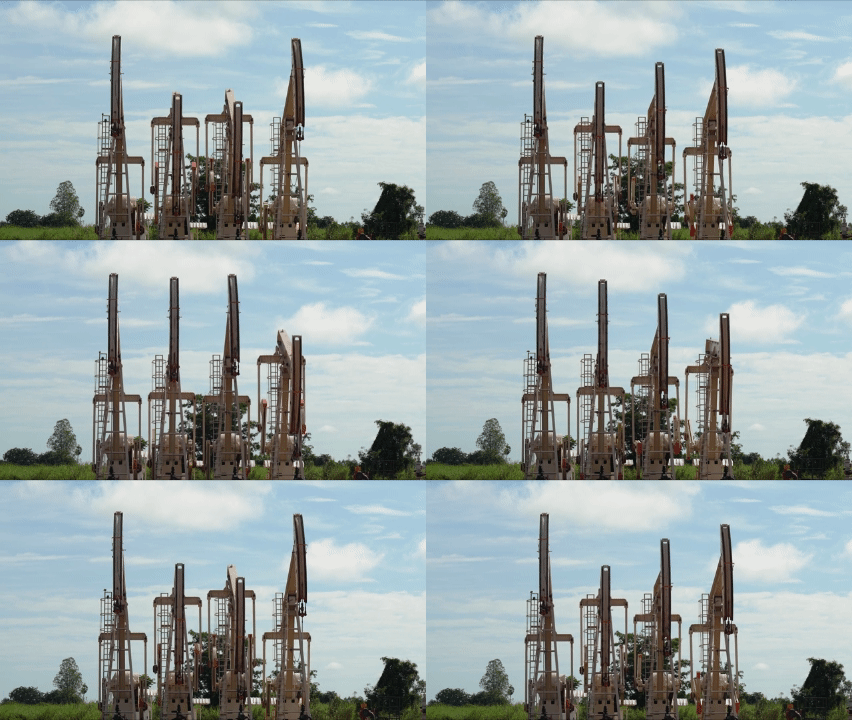
This paper proposes a novel, real-time pump failure prediction method using machine learning with scaled load ratio to accurately predict pump failures using only surface pump load data.

Five agreements target more than 11 Tcf of offshore gas and include flare-reduction technology.

Disputes over tanker fees and the ongoing military operation in Lebanon represent potential fault lines for the tentative peace deal.
-
 This paper describes a coiled tubing gas lift (CTGL) technique successfully used to restart production from two pilot wells in a mature field in Pakistan that had been shut in since 2015.
 -
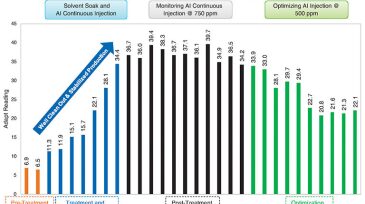
The complete paper discusses the importance of adequate preparation and the approaches used to overcome challenges of EOR operations, including handling back-produced polymer.
-
The silver lining for those overseeing the unprecedented shut ins of tight-oil wells is the potential to acquire a wealth of reservoir data. But first, petroleum engineers need to monitor these wells and use the right analysis toolbox.
-
Two intelligence groups share similar views on how the fallout from the COVID-19 pandemic has impacted OFS companies’ valuations and operations.
-
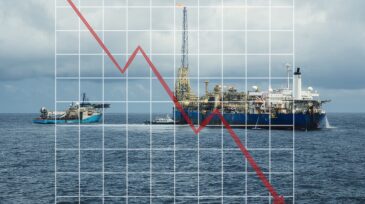
FPSO sanctioning is at a minimum and few opportunities remain for FPSO suppliers to find new work and redeploy their vessels. Suppliers may be forced to accept day rate reductions in order to keep their vessels working.
-
The industry has very limited experience in shuttering production on a large scale in unconventional reservoirs. Many questions remain on how stimulated, nanodarcy shale reservoirs may respond. George King discusses the paradigm shifts needed in the industry.
-
An AI-based application enabled operators to preempt ESP failures while optimizing production.
-
Researchers use novel methodology to measure the thermo-electric properties of native crude.
-
As tight-oil producers move to curtail production, hard-to-answer questions are being raised about how shuttered wells will come back. The issue reveals key uncertainties about the delicate flow paths that define unconventional reservoirs.
-
The savings result in part from the depreciation of global currencies against the US dollar, as most operating expenses in oil and gas production are realized in local currencies. Brazil leads in savings.