R&D/innovation

Robotic and autonomous systems are transforming energy operations, but their full value emerges only when paired with data science, engineering analytics, and AI/ML to turn data into decisions. The transition of the SPE Robotic & Autonomous Systems Technical Section into the SPE Data Science & Engineering Analytics Technical Section helps bridge this critical technolo…

The Seismos full-scale research center opens to industry, universities, and national laboratories, advancing acoustic sensing across upstream energy, pipelines, critical infrastructure, and national security.

SPE Journal is seeking submissions for a special issue on sustainable enhanced oil recovery (EOR), highlighting innovations that boost oil recovery while reducing CO2 emissions and environmental impact. The Call for Papers opens on 15 October 2026.
-
 Companies that can adapt, innovate, and stay ahead of the curve not only survive, but thrive. To achieve this, a fresh approach to innovation is required: one that harnesses the collective wisdom of customer advisory boards and prioritizes a strategy based on customer value.
 -
An engineered approach to fracture growth in hydraulic fracturing highlights the successful execution of H2S prevention strategies in North Dakota’s Williston Basin.
-
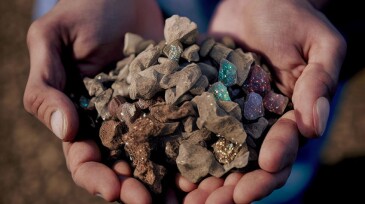
The increasing demand for critical minerals—the building blocks of an electrified future—is creating opportunities for the oil and gas industry to apply its extensive knowledge, tools, and data to help meet the demand.
-
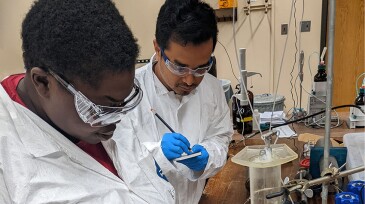
Researchers at Texas A&M University have developed a method of refining "liquid gold" for valuable critical minerals using what many consider traditional waste products: produced water and carbon dioxide.
-
Find out what made the list of big technology breakthroughs that have shaped the oil and gas industry over the past quarter century.
-
Production from the Sparta field is expected to start in 2028.
-
The French company inked agreements at COP28 to share its newly developed CO2 and methane detection platform with NOCs in Brazil, Angola, and Azerbaijan.
-
A case study presented at ATCE took medical science to a new low—into the depths of the Permian Basin for application to downhole reservoir drainage diagnostics.
-
A survey of SPE members associated with a university, or their job/role to be faculty, collected information about the effect of the energy transition on recruiting students, strategic directions in academic programs, and maintaining a relevant curriculum for future careers.
-
More Students Going Into Petroleum Engineering Programs as Research Work Tilts to Alternative EnergyMore freshmen are enrolling in petroleum engineering, drawn by strong demand for graduates.