R&D/innovation

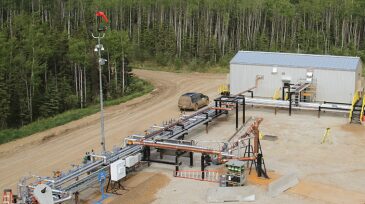
Winners of Alberta's Drilling Technology Challenge cover a range of technologies from robotics to enhance drilling rig safety to AI-enabled energy management, downhole sensing, well navigation, hybrid power systems, and geothermal energy.

The London-based supermajor is stepping back from startup investing as it seeks to focus capital on its oil and gas business.
The events will be co-located 3–5 May 2027 at Reliant Park in Houston, Texas.
-
-
 GE Staoil Open Innovation Challenge results in new proppant ideas.
 -
-
Imagine a machine that could make an automaker competitive by speeding product development, help a jet engine maker create unique parts for more efficient turbines, and allow a baker to quickly create a picture-perfect 3D replica of a flower made of sugar.
-
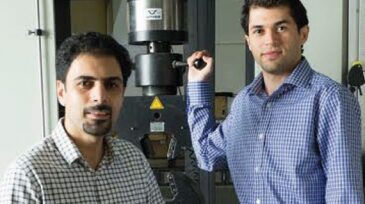
Researchers at Rice University in Houston are hoping their new theory on composite properties may help the oil and gas industry reduce the time it takes to develop and test new materials.
-
Bitumen is so viscous that the ultraheavy crude oil is often compared to peanut butter.
-
Veros Systems is selling simplicity. The electric machine monitoring company promises accurate warnings of problems long before they occur, with a minimum of monitoring equipment to install.
-
One of the defining features of the 21st century will undoubtedly be the changing relationship between humans and automated machines.
-
At the SPE Hydraulic Fracturing Technology Conference, one of the most innovative ideas discussed was a liquid proppant designed to turn into strong spherical balls to keep a fracture open.
-
The US government is working on regulations to reduce oil industry methane emissions by more than 40% over the next 10 years.