Robotics/unmanned systems

Robotic and autonomous systems are transforming energy operations, but their full value emerges only when paired with data science, engineering analytics, and AI/ML to turn data into decisions. The transition of the SPE Robotic & Autonomous Systems Technical Section into the SPE Data Science & Engineering Analytics Technical Section helps bridge this critical technolo…
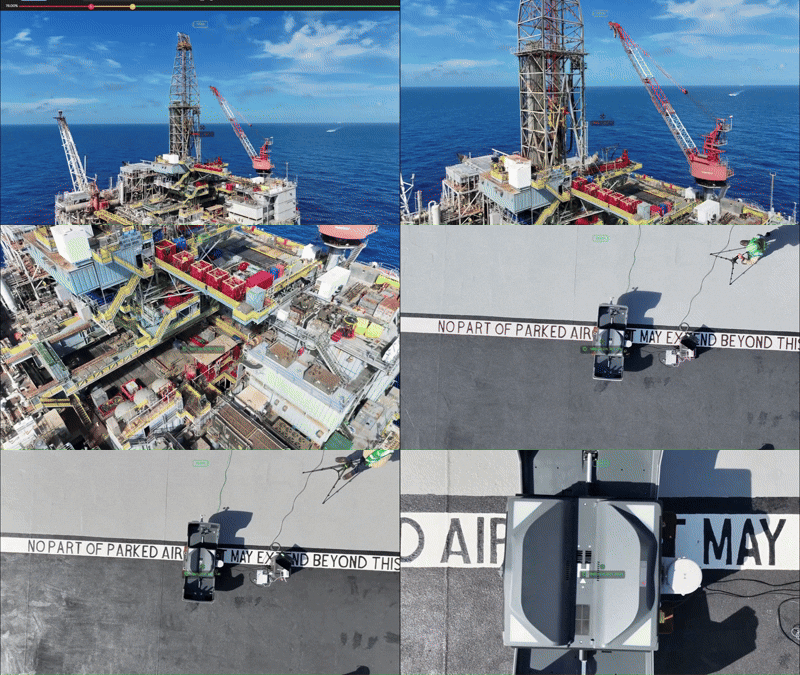
Shell has demonstrated drone-in-a-box operations from its Mars floating production unit, becoming the first operator in the region to secure FAA approval for self-approved offshore beyond-visual-line-of-sight flights. JPT Senior Technology Editor Jennifer Pallanich visited Shell Technology Center Houston to see the system in action.

From AI-enabled walking rigs to subsea drones and autonomous inspection robots, robotics is rapidly moving from pilot projects to field deployment. The technology promises not only greater efficiency but also a fundamental shift in how the industry approaches safety and asset management.
-
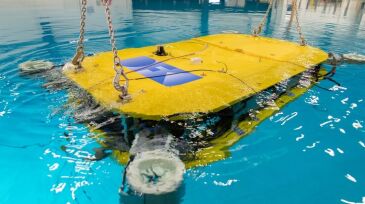
 A two-armed autonomous underwater vehicle has been launched for complex inspection and maintenance tasks, embedded in a powerful IT infrastructure that enables both intuitive control and monitoring of the system and effective information flow with the plant operator.
-
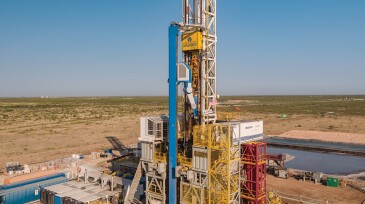
Totally automated drilling today looks like a robot doing all the heavy lifting on a drilling floor. By 2025, there may no longer be anything surprising about it.
-
Given the rapidly rising investments in robotics and drones, why is the SPE Unmanned Systems Technical Section struggling to find volunteers willing to form a new board and keep the rest of the Production and Facility Community up to date on the opportunities and challenges in applying these new tools in the field or at construction sites?
-
Advanced robotics is poised to make a big splash in the oil and gas industry, but when and just how big will it be?
-
The risk-management firm is teaming up with academia and a robotics specialist for a research project focused on automatic processing of data gathered by autonomous and remote-controlled vehicles.
-
Saudi Aramco is accelerating the adoption and scaleup of disruptive and multipurpose robotic technologies to deliver safer, cost-effective, and efficient inspection capabilities, emergency response, aerial mapping, project monitoring, security surveillance, and environmental monitoring.
-
New contracts, a joint venture, and a merger are pushing the company's robotic vessel fleet further into the mainstream of both hydrocarbons and renewable energy inspection services.
-
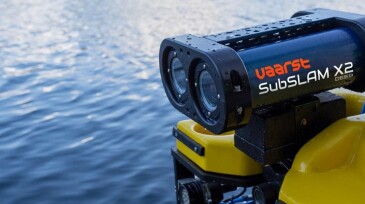
Vaarst, a spinoff from subsea robotic and hydrographic survey company Rovco, wants to accelerate advancement in ocean robotics by providing access to artificial-intelligence technology to marine and subsea providers for autonomous robotic work.
-
Oslo-based consultancy Rystad Energy sees the potential for robots and automation to replace up to 400,000 roles in North America, Europe, and Russia by 2030. The timeline is not guaranteed, though, and will move at a speed set by human decision making.
-
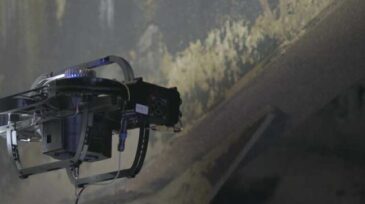
A presentation at the 2020 Offshore Technology Conference Asia described a study of unmanned aerial vehicles operated by off-site pilots based in remote control centers many miles from the facility.