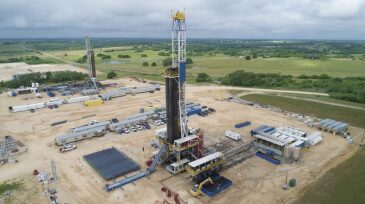
Unconventional/complex reservoirs

This work applies fuzzy logic, a well-established artificial-intelligence technique, to quantitatively assess connectivity between injectors and producers in a giant presalt field in the Santos Basin of Brazil.

Disposal wells remain the lowest-cost solution for produced water, but concerns over seismicity and long-term sustainability are accelerating interest in alternatives.

With a strong presence across US shale in the Bakken, Anadarko Basin, Powder River Basin, and the Permian, Continental Resources is expanding into Argentina’s Vaca Muerta shale as the privately held E&P giant pursues international growth.
-
 The Dallas-based tight oil producer will gain 33,500 acres and approximately 25,500 BOE/D from the latest deal to reshape the US shale sector.
 -
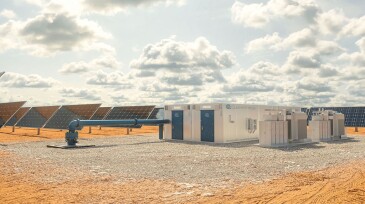
Hunt Energy Network invested $10 million into Quidnet to help scale up the company’s concept for geopressured energy storage to the tune of 300 MW.
-
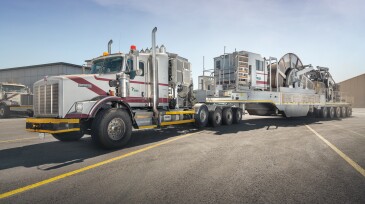
SponsoredTAQA is commencing its journey into the year 2024 with the successful launching of many innovative coiled tubing technologies and solutions, technologies that will transform the nature of well intervention operations into a new era. Read this article and dive into the high-tier coiled tubing technology offerings from TAQA.
-
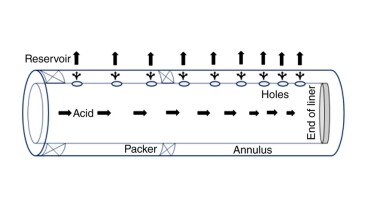
This paper describes the stimulation of a horizontal water-injection well with a limited-entry-liner completion in an onshore carbonate reservoir using a large volume of viscoelastic diverter-acid fluid system ahead of the main acid stage.
-
This paper details a successful pilot to improve long-term well performance using acid stimulation aided by a tailored metal oxide nanoparticle-based fluid in the Wolfcamp A formation.
-
This study introduces a detailed model to capture the physics and chemistry of acid flow in complex horizontal wells completed in carbonate formations.
-
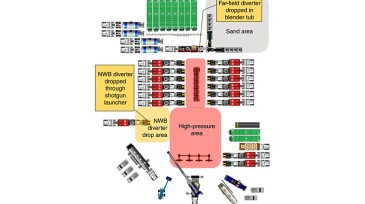
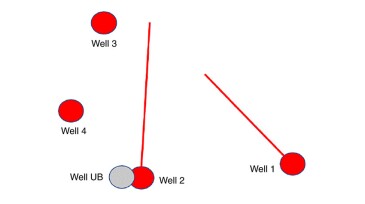
The authors of this paper describe a project in which far-field diverters were pumped to mitigate wellbore sanding and production loss in existing parent wells.
-
This paper describes the application of an underbalanced coiled tubing technology in tight sandstones, using an integrative approach that incorporates petrophysical, geophysical, and reservoir engineering data.
-
Rising natural gas production plus not enough takeaway capacity equals one big headache for west Texas producers
-
The Houston-based independent will become the top producer in the Eagle Ford Shale with an output of 400,000 BOE/D and is eyeing 1,000 wells to refracture.