

Monthly Features
-
 EQT is benchmarking its way to basin-leading productivity and relying on partnerships and new technology to turn KPIs into operational reality.
 -
 Drilling experts recently shared candid views on what will be required for their segment of the upstream business to move to the next stage of development.
 -
 This case study from Italian technology developer Sentris highlights the effectiveness of using sensors during pigging operations to optimize cleaning efficiency.
 -
 Experts and industry leaders gathered in The Woodlands, Texas, recently to sift through the challenges of carbon capture, utilization, and storage. The puzzle is coming together, but some critical pieces are still needed before the results look like the picture on the box.
 -
 Two examples from ONGC show how supervised AI-driven automation scaled well modeling across hundreds of offshore wells, saving more than 1,000 engineering hours.
 -
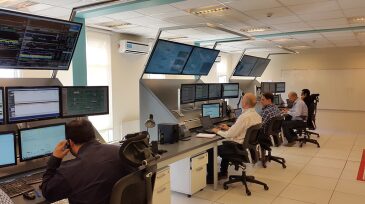
 Examples demonstrate how an Integrated Operations Center as a Service (IOCaaS) model, powered by artificial intelligence, reduced costs by 5% and increased production by 6% in Canada.
-
 Companies are bringing satellite monitoring to the unconventional oilfield—namely the Permian Basin—where they are training machine learning models to track and predict drilling and completions work.
 -
If the shale sector’s most complex problem can be solved, it will require companies to use their wells as a team. Newly detailed field work shows that a good defense is the key to success.
-
The ideal well spacing is in the eye of the beholder. The decision depends on so many factors that machine learning is now trying to determine the best combination of ingredients.
-
As demand for petroleum engineers begins to rise, supply is dropping fast. It may be a good market for job seekers but things could get tougher for those doing the hiring.
-
Petroleum industry professionals’ reported average compensation in 2018 shows an increase from this past year but is still lower than salaries before the oil price downturn that began in 2014.
-
Meet the group advancing digital technology adoption within one of the largest oil and gas producers in the US. Its aim is to cross-pollinate reservoir engineers with data scientists to create a 21st century workforce.
-
The international major has been playing with intelligent programs for years, but this new deal shows that it is now ready to scale those efforts up to cover hundreds of thousands of pieces of equipment.
-
The 5-year-old software startup is getting noticed by the oil and gas industry for its ability to accelerate analytics projects by taking care of all the tedious work involved with data wrangling.
-
Fast-declining, older, unconventional oil wells require artificial lift experts to deal with and explore a population of miles-long horizontal wells that do not follow the established rules of thumb.
-
Fracturing two or more wells at the same time creates connections. While fracturing fluids reach out further, those ties create a stronger link, though not forever.





Explore Content by Discipline
Power Up With JPT Newsletters
JPT Newsletter (Weekly).
All the top stories, trends, and tech.
JPT Unconventional Insights (Monthly).
Fresh takes on shale and tight oil.
Get JPT articles in your LinkedIn feed and stay current with oil and gas news and technology.