

Monthly Features
-
 Oil prices are high, but spending has not caught up—yet. Meanwhile, exploration strategies are changing around the world toward a lower-risk model, and the frenzied pace of US M&A has very much cooled off.
 -
 This case study outlines a full-scale testing program focused on the behavior of thermal casing connections subjected to severe bending and low-cycle fatigue loading.
 -
 With millions of wells having been drilled in the US since the beginning of the oil age, the land is pocked with old, unused wellbores. For most, repurposing is a pipe dream. Plugging is the best option.
 -
 Disposal wells remain the lowest-cost solution for produced water, but concerns over seismicity and long-term sustainability are accelerating interest in alternatives.
 -
 This case study from Malaysia’s Petronas outlines a comprehensive review of perforation-charge testing across various tubular and reservoir conditions to help improve production from complex downhole scenarios.
 -
 As managed pressure drilling gains traction, its principles are influencing a wider range of well-construction activities.
-
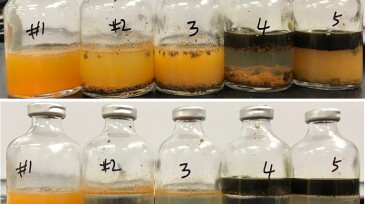
 Mixing dry polymer powder and water to make friction reducer as needed during fracturing can cut the cost of the additive and the testing of whether a drastically simplified recipe performs as well as more-complex mixes.
 -
The Great Crew Change is all but over, Gen Xers are now managing Baby Boomers, and the oil and gas industry is morphing into the energy industry. Is this the end of an era or a new start for petroleum engineering education?
-
Insights from an ongoing industry study on North American shale wells help explain what frac hits, or fracture-driven interactions, are doing between offset wells, and why.
-
Each year during its Annual Technical Conference and Exhibition (ATCE), SPE honors members whose outstanding contributions to SPE and the petroleum industry merit special distinction. Recipients were recognized last month at ATCE in Dubai.
-
The backers of some of the first offshore hydrogen projects have little hope of turning a profit. The big question is, will anyone?
-
Friction reducers play multiple critical roles in fracturing. A challenge in selecting the best one for the job is the growing evidence that performance varies, but objective performance measurements are lacking.
-
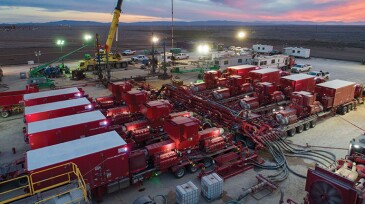
Electric-powered fracturing fleets looked impressively resilient in 2020 amid what was otherwise a significant collapse for the hydraulic fracturing sector. Today, the situation is more complicated.
-
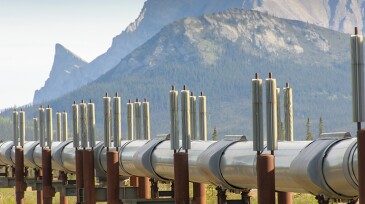
As Canada, Greenland, and even Norway shy away from developing their Arctic oil and gas resources, only Russia and the US remain in the game as Alaska seeks to renew interest in exploration and development of its North Slope.
-
Traditionally, wireline or logging-while-drilling formation-testing technology has been the most accepted means of reservoir fluid characterization. But when those fluids are contaminated by mud filtrate, acoustic data can be used for fluid characterization during downhole sampling to successfully track and quantify small changes in oil compressibility.
-
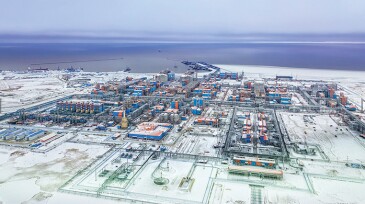
Russia is pouring investment into liquefied natural gas projects as it seeks to leverage the world’s largest natural gas reserves together with the logistical advantages of delivering it at a competitive price to Asia and Europe along the now-navigable Northern Sea Route.




Explore Content by Discipline
Stay Ahead With JPT Newsletters
JPT Newsletter (Weekly).
Essential global industry news, technology developments, and market trends delivered to your inbox.
JPT Unconventional Insights (Monthly).
Global perspectives and expert analysis on shale, tight oil, and emerging unconventional plays.
Get JPT articles in your LinkedIn feed and stay current with oil and gas news and technology.