

Monthly Features
-
 Oil prices are high, but spending has not caught up—yet. Meanwhile, exploration strategies are changing around the world toward a lower-risk model, and the frenzied pace of US M&A has very much cooled off.
 -
 This case study outlines a full-scale testing program focused on the behavior of thermal casing connections subjected to severe bending and low-cycle fatigue loading.
 -
 With millions of wells having been drilled in the US since the beginning of the oil age, the land is pocked with old, unused wellbores. For most, repurposing is a pipe dream. Plugging is the best option.
 -
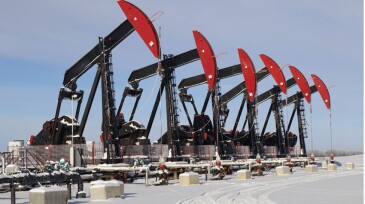
 Disposal wells remain the lowest-cost solution for produced water, but concerns over seismicity and long-term sustainability are accelerating interest in alternatives.
 -
 As managed pressure drilling gains traction, its principles are influencing a wider range of well-construction activities.
 -
 From AI-enabled walking rigs to subsea drones and autonomous inspection robots, robotics is rapidly moving from pilot projects to field deployment. The technology promises not only greater efficiency but also a fundamental shift in how the industry approaches safety and asset management.
-
 Field examples from the Bakken Shale and Permian Basin illustrate the benefits of deploying polymer-coated and uncoated scale inhibitors in unconventional wells.
 -
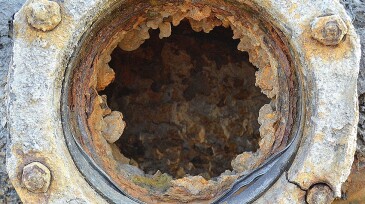
New strategies for protecting metal infrastructure emerge as operators fine-tune a corrosion threat screening process and develop a new method for tracking inhibitor effectiveness.
-
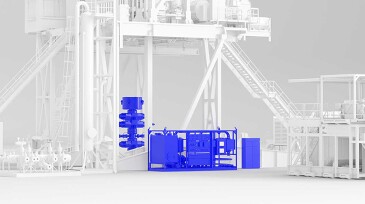
SLB is introducing a new electric well-control system to replace larger conventional, fluid‑controlled hydraulic equipment.
-
C. Susan Howes is the nominee for 2027 SPE President. She and four others make up the new slate of nominees recommended for positions open on the SPE International Board of Directors.
-
In the next 3 to 5 years, South America and the Middle East will lead global investment, driven by greenfield developments, exploration, and midstream infrastructure. Brazil’s growth is fueled by deepwater pre-salt projects, while the Middle East focuses on gas and LNG, especially in Qatar, Saudi Arabia, and the UAE.
-
Advanced tracer technology was deployed in Oklahoma to analyze production across lateral well sections.
-
Whether it’s reviving inactive gas-condensate wells or identifying overlooked reserves in brownfields, operators are making the most of older wells and fields.
-
After 5 years of in-depth diagnostic research, the Oklahoma City-based operator shares more insights on fracture behavior.
-
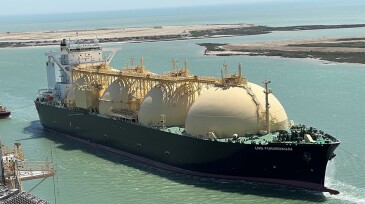
An oversupply of LNG carriers is putting downward pressure on charter rates, pushing them to historic lows. Newbuild LNG carrier deliveries have been outpacing the construction and permitting of new liquefaction facilities needed to support them.
-
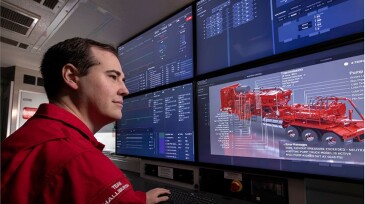
The service giant shares new details about its automated fracturing spreads that slash human operator workload by 88%.





Explore Content by Discipline
Stay Ahead With JPT Newsletters
JPT Newsletter (Weekly).
Essential global industry news, technology developments, and market trends delivered to your inbox.
JPT Unconventional Insights (Monthly).
Global perspectives and expert analysis on shale, tight oil, and emerging unconventional plays.
Get JPT articles in your LinkedIn feed and stay current with oil and gas news and technology.