

Monthly Features
-
 Oil prices are high, but spending has not caught up—yet. Meanwhile, exploration strategies are changing around the world toward a lower-risk model, and the frenzied pace of US M&A has very much cooled off.
 -
 This case study outlines a full-scale testing program focused on the behavior of thermal casing connections subjected to severe bending and low-cycle fatigue loading.
 -
 With millions of wells having been drilled in the US since the beginning of the oil age, the land is pocked with old, unused wellbores. For most, repurposing is a pipe dream. Plugging is the best option.
 -
 Disposal wells remain the lowest-cost solution for produced water, but concerns over seismicity and long-term sustainability are accelerating interest in alternatives.
 -
 This case study from Malaysia’s Petronas outlines a comprehensive review of perforation-charge testing across various tubular and reservoir conditions to help improve production from complex downhole scenarios.
 -
 This case study presents the first field deployment of acoustic fracturing analysis to evaluate perforation efficiency and implement real-time interventions during pressure pumping.
-
 In the Marcellus, Repsol is slicing and dicing legacy data to evolve its completions strategy, while in the Permian, ExxonMobil is mastering the 4-mile lateral drillout using lessons learned.
 -
Two new studies from completions experts suggest the global upstream industry has a major opportunity in medium-quality reservoirs.
-
The service giant shares new details about its automated fracturing spreads that slash human operator workload by 88%.
-
A Shell partnership with YPF marks a significant milestone for the Argentina LNG export facility, raising new questions about the nation’s potential to unlock the economic power of its vast shale reserves.
-
Global offshore decommissioning projects hear the starting gun in Australia and the North Sea, but will the race be a marathon or a sprint?
-
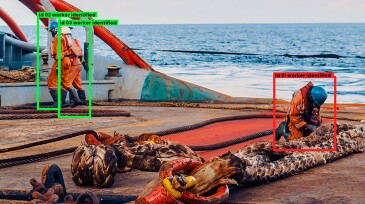
From optimizing drilling performance to enhancing worker safety, computer vision can change how the industry works.
-
The “Oil in WW2” study was conducted in preparation for the 2024 SPE Annual Technical Conference and Exhibition in New Orleans. From November 2023 to July 2024, the authors led a small team to complete the study, which is presented on 17 freestanding panels available for display at SPE events and educational institutions.
-
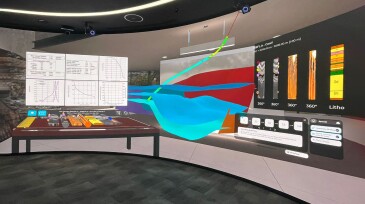
Virtual reality and related visualization technologies are helping reshape how the industry views 3D data, makes decisions, and trains personnel.
-
Leading drilling consultant John de Wardt separates hype from reality and explores what’s ahead in this interview with JPT.
-
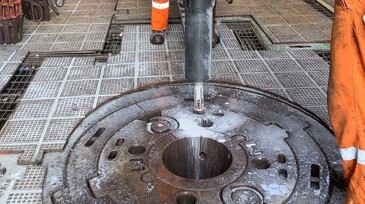
The oil and gas industry must balance global energy demands with stricter environmental regulations, particularly in drilling, where risks and complexities are higher. Innovative technologies, like those used in this stuck-pipe scenario offshore Azerbaijan, are key to overcoming these challenges and improving safety, speed, and efficiency.



Explore Content by Discipline
Stay Ahead With JPT Newsletters
JPT Newsletter (Weekly).
Essential global industry news, technology developments, and market trends delivered to your inbox.
JPT Unconventional Insights (Monthly).
Global perspectives and expert analysis on shale, tight oil, and emerging unconventional plays.
Get JPT articles in your LinkedIn feed and stay current with oil and gas news and technology.