

directional drilling
-
 This guest editorial addresses the many capacities in which oil and gas technical professionals can play a role advancing the energy technologies of tomorrow.
 -
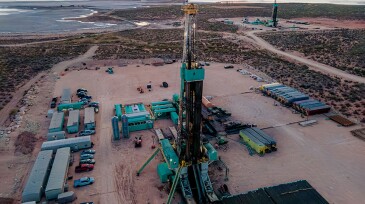
Output is rising fast in the South American shale play and putting Argentina on a course to soon reach 1 million B/D.
-
Improved bit and bottomhole-assembly technologies and designs have helped turn what used to be record-breaking drilling runs into routine expectations.
-
This paper presents a multifaceted approach leveraging precise rig control, physics models, and machine-learning techniques to deliver consistently high performance in a scalable manner for sliding.
-
This paper proposes a novel approach toward drilling maximum-reservoir-contact wells by integrating automated drilling and geosteering software to control the downhole bottomhole assembly, thereby minimizing the need for human intervention.
-
The capability of modern wellbore surveying to increase asset value through improved subsurface modeling and completion-equipment placement is being overlooked by managers of operating companies.
-
New case studies highlight how artificial intelligence, advanced hardware, and innovative business models are enabling success in drilling automation.
-
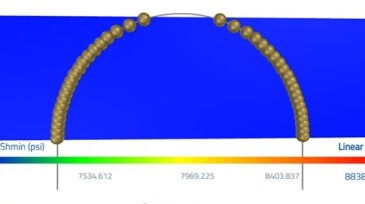
At SPE’s Permian Basin Energy Conference, operators shared behind-the-scenes details on innovations such as drilling horseshoe wells and trimulfrac completions along with in-basin challenges such as handling produced water.
-
Over the past 75 years, drillers have gone from the Stone Age to the Space Age when it comes to technological improvements in well construction methods. Yesterday’s crude wood and iron drilling techniques have given way to today’s video game-inspired controls and robotic assistance—much of which migrated from offshore applications. These advancements have driven costs…
-
New studies examine whether two innovative well designs should have a bigger role to play in the race to get more value out of tight rock reservoirs.




Page 1 of 3