Completions

This case study presents a procedure in which the operator compared production from wells with adjusted wettability to a control group, finding that the adjustments resulted in significant improvements in production and reductions in produced water.
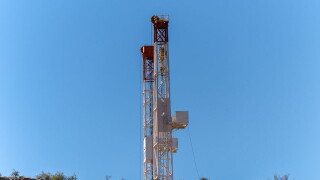
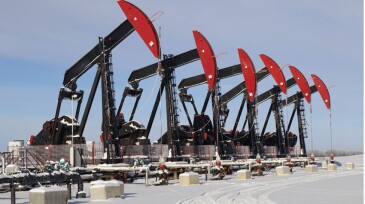
Output is rising fast in the South American shale play and putting Argentina on a course to soon reach 1 million B/D.

This paper introduces in-pipe inspection technologies enabling high-resolution digital measurements of tubular internal diameter and wall thickness for critical downhole applications.
-
 Field examples from the Bakken Shale and Permian Basin illustrate the benefits of deploying polymer-coated and uncoated scale inhibitors in unconventional wells.
 -
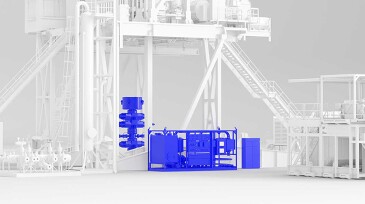
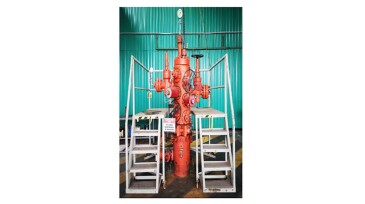
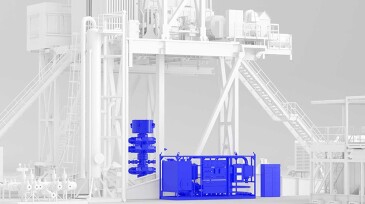
SLB is introducing a new electric well-control system to replace larger conventional, fluid‑controlled hydraulic equipment.
-
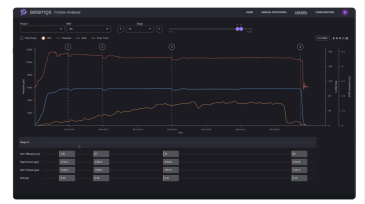
SponsoredAs operators strive to increase production under tighter budgets, traditional downhole diagnostics are falling short—too costly, complex, and time-consuming. Seismos Acoustic Friction Analysis (SAFA) offers a smarter, surface-based alternative. This white paper explores how SAFA enables real-time treatment optimization, better fracture performance, and substantial cos…
-
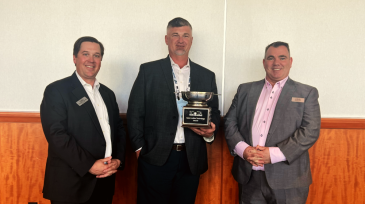
TechnipFMC, in collaboration with Halliburton, was awarded the 2025 ICoTA Intervention Technology Award and received the 2025 Curtis Blount Outstanding Paper Award.
-
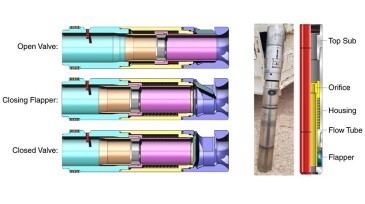
This paper aims to present thoroughly the application of subsurface safety injection valves in extremely high-temperature environments.
-
Advanced tracer technology was deployed in Oklahoma to analyze production across lateral well sections.
-
To enable a fully interventionless approach, a barrier-rated tubing-hanger valve has been developed to eliminate slickline intervention and minimize associated risks and operational time.
-
After 5 years of in-depth diagnostic research, the Oklahoma City-based operator shares more insights on fracture behavior.
-
This paper introduces a novel optimization framework to address CO2 injection strategies under geomechanical risks using a Fourier neural operator-based deep-learning model.
-
The technology, which uses Industrial Internet of Things components, aims to reduce the costs and improve the safety of drilling operations.