Completions

This paper presents a study that confirms glass-reinforced-epoxy-lined tubing as a reliable, cost-effective solution for long-term water-injection service in moderate-salinity offshore environments.

This paper introduces in-pipe inspection technologies enabling high-resolution digital measurements of tubular internal diameter and wall thickness for critical downhole applications.
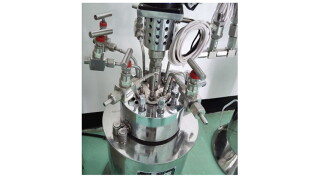
This study aims to systematically assess casing integrity and corrosion risks associated with CO2 injection in oil-recovery operations.
-
 This paper describes an intelligent completion design installed in two deepwater wells with dual-zone stack-pack sand-control lower completions and the installation of an intermediate string to isolate the reservoir in each zone.
 -
The mid-sized completions service provider is betting that automation will boost the competitiveness of natural gas-powered pumps.
-
Geologists have identified a formation with a world-changing potential for carbon dioxide storage, but some engineering is required.
-
Service company Liberty Energy has announced the formation of Liberty Power Innovations which will specialize in compressed natural gas.
-
The large US shale producer has officially entered into the renewable energy sector with its largest venture investment yet.
-
Regulators told some injection well operators close to the epicenter of a magnitude 4.0 earthquake that they will have to shut down their operations indefinitely.
-
This paper presents design considerations and field-trial applications for determining practical dimensions and limits for interdependencies associated with stage length, perforation clusters, and limited-entry pressures.
-
Two US test sites have fractured hot, dry rock with plans to create a network of fractures for water heating. They will soon find out if the fractures worked as expected.
-
A high-resolution acoustic downhole evaluation system nabs top award for 2023.
-
This article presents a new data-driven analysis to locate low-frequency seismic sources, referred to as near-infrasound or infrasound sources. Combining these infrasound signals with microseismicity signals allows for better characterization and monitoring of the stimulated reservoir volume.